Friday, July 2, 2010

The Mothing Month - June 2010

Quite a deliberate change of title this time. With practically no birding to speak of recently, I have been fully absorbed in the art of mothing. The trap has been out on a regular basis and I have added a total of 47 species to the life list.

Some of my favourites are pictured below.

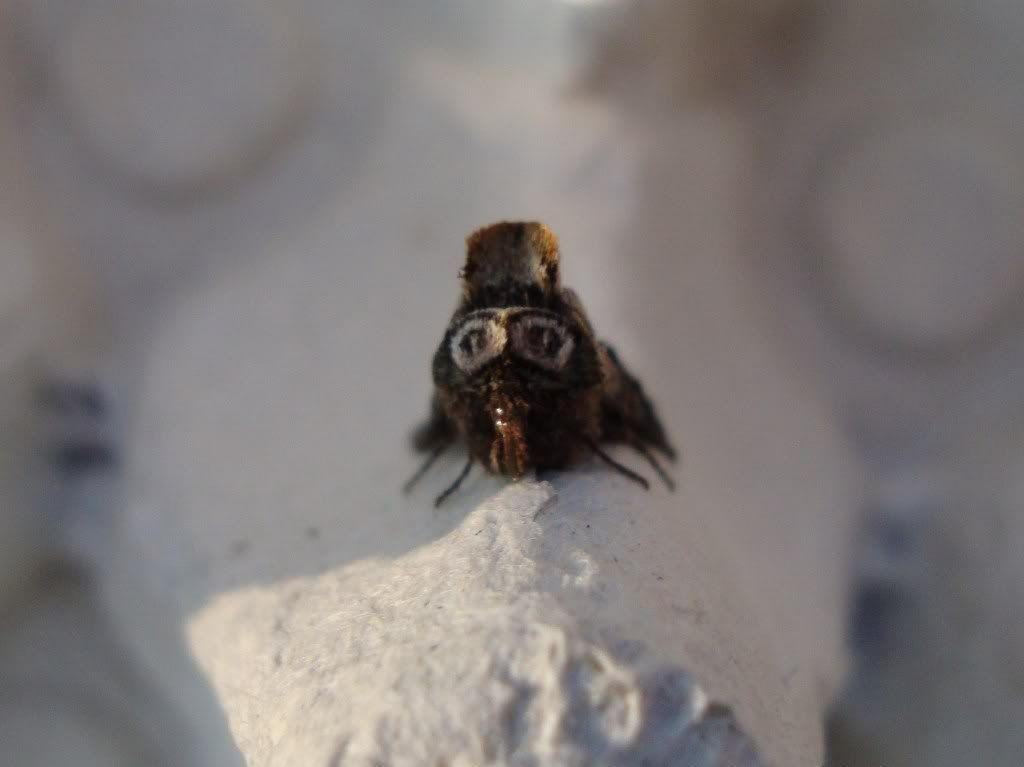
Spectacle

Spectacle

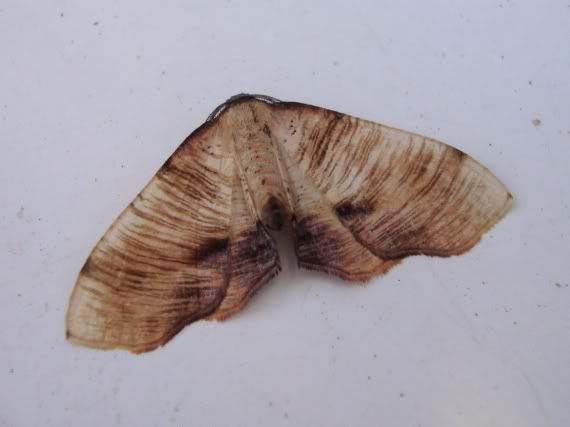
Scorched Wing

Scorched Wing

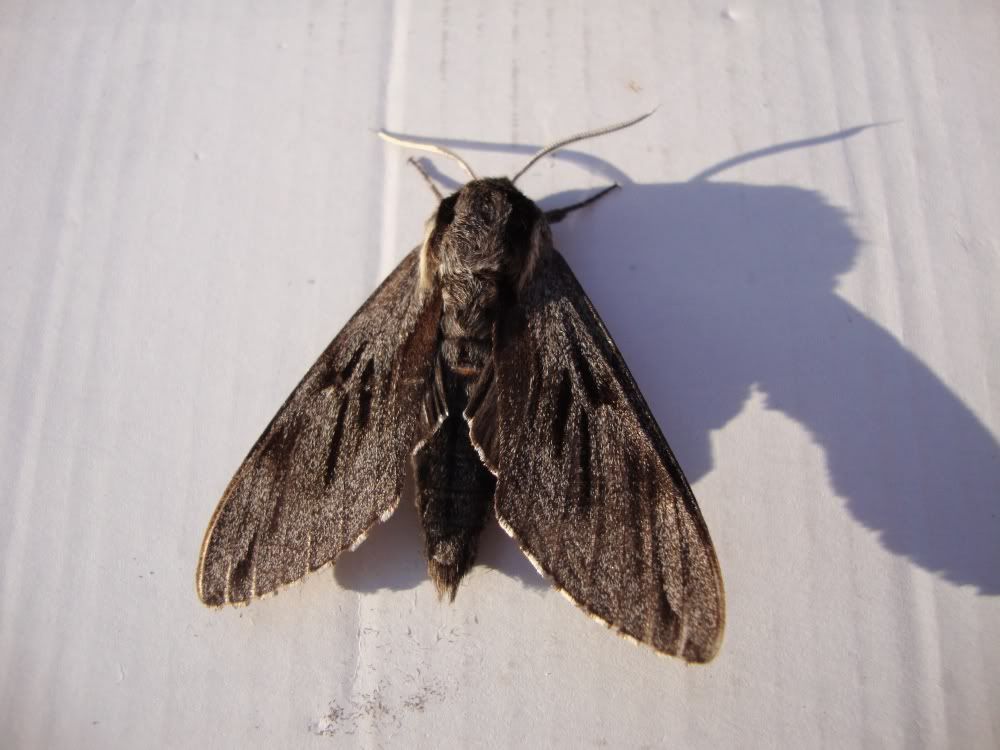
Pine Hawkmoth

Pine Hawkmoth

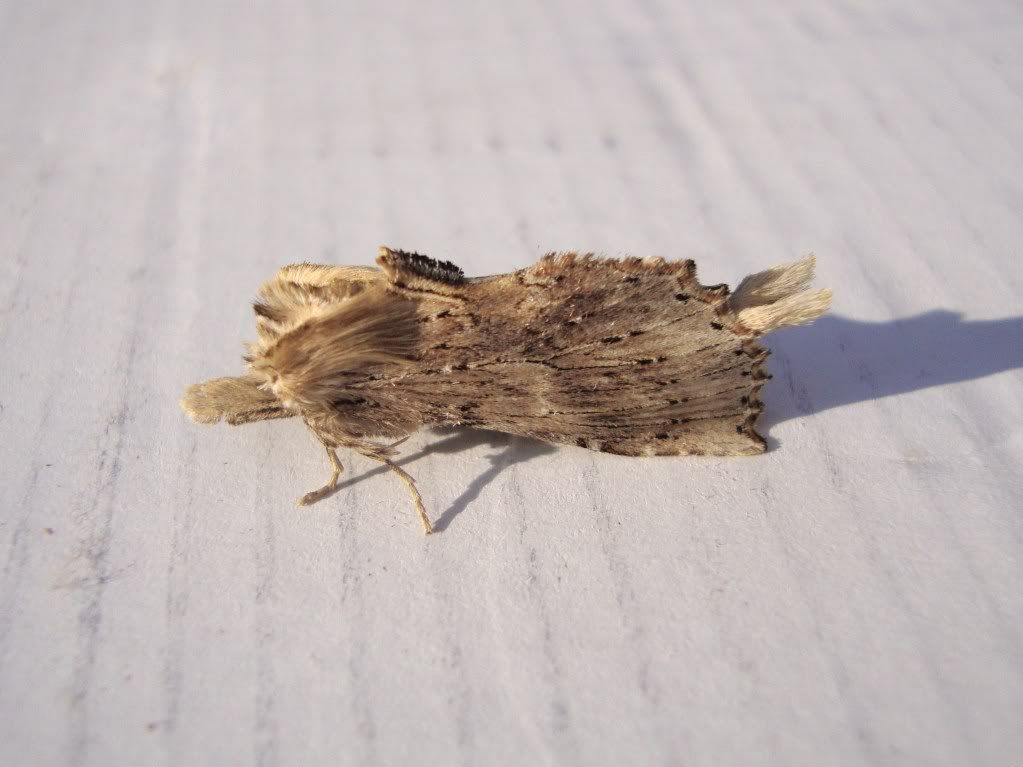
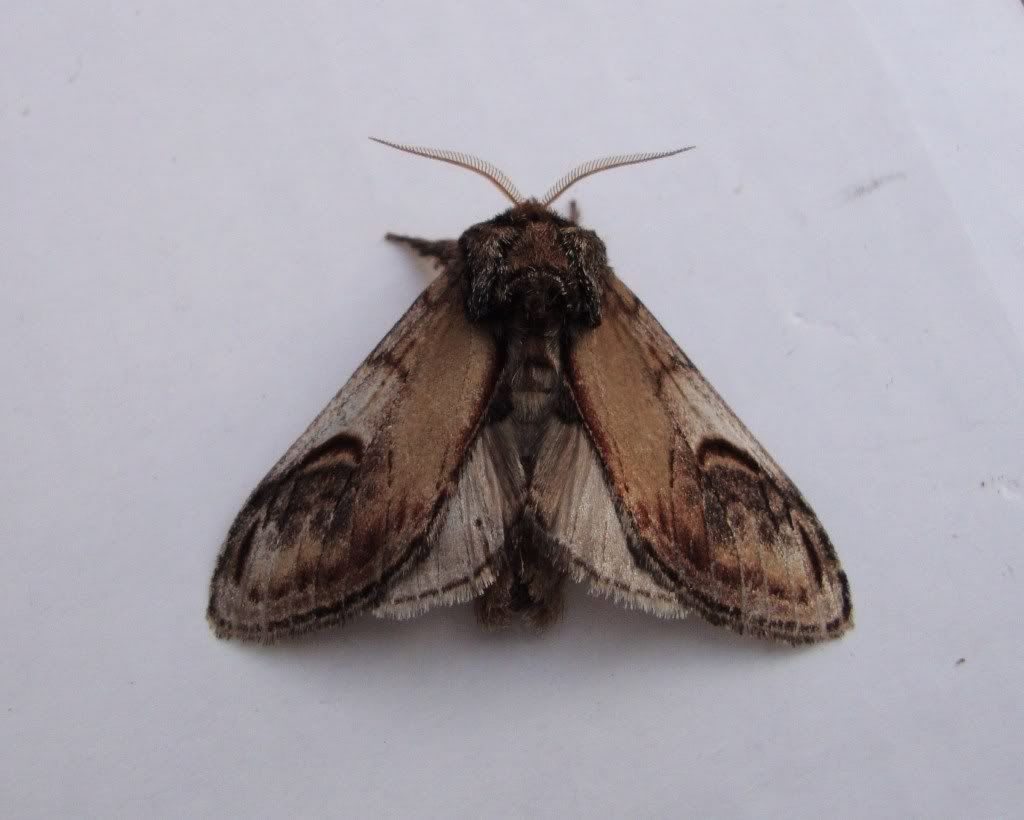
Pale Prominent

Pale Prominent

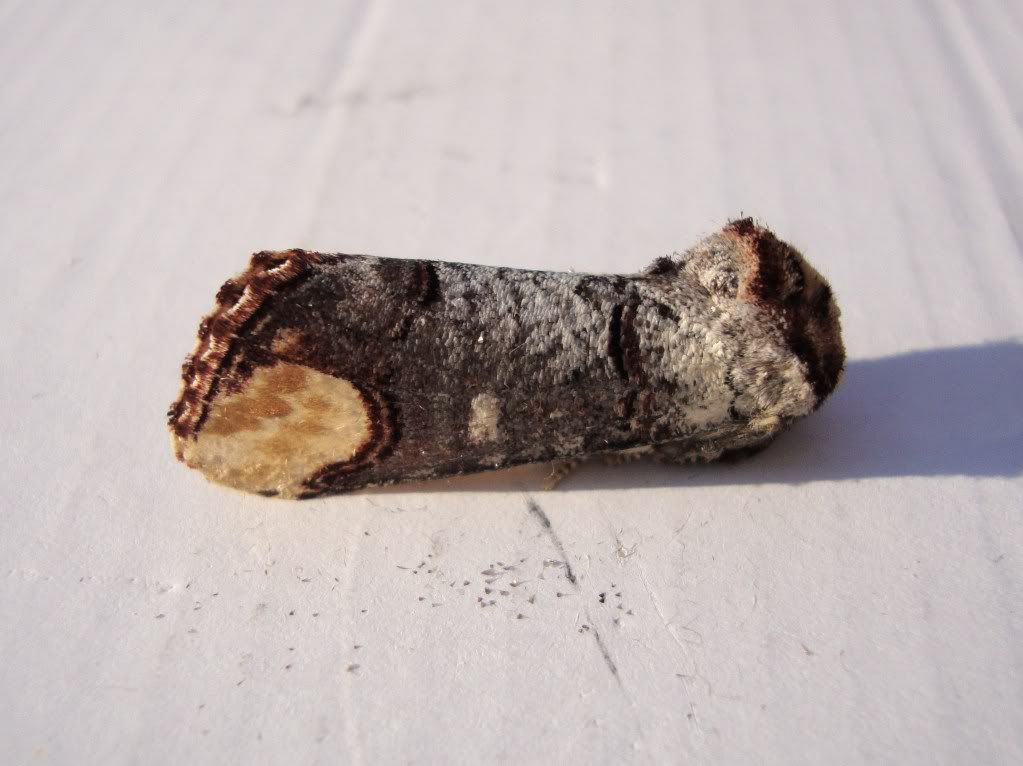
Buff-tip

Buff-tip

Pebble Prominent

Pebble Prominent

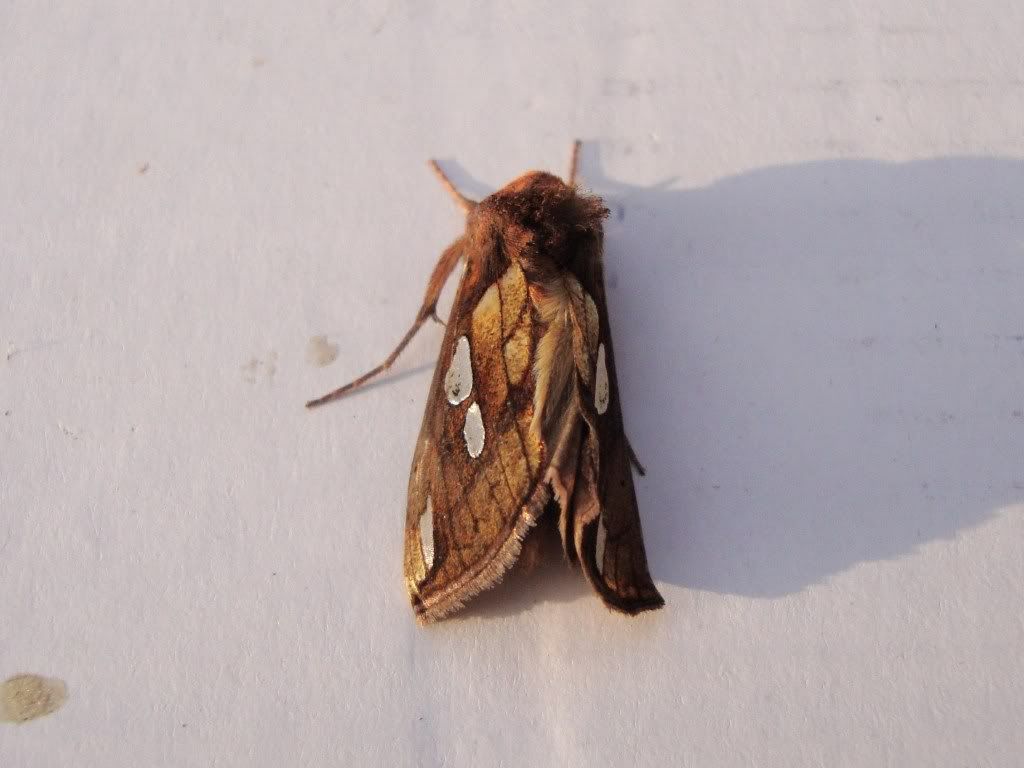
Gold Spot

Gold Spot

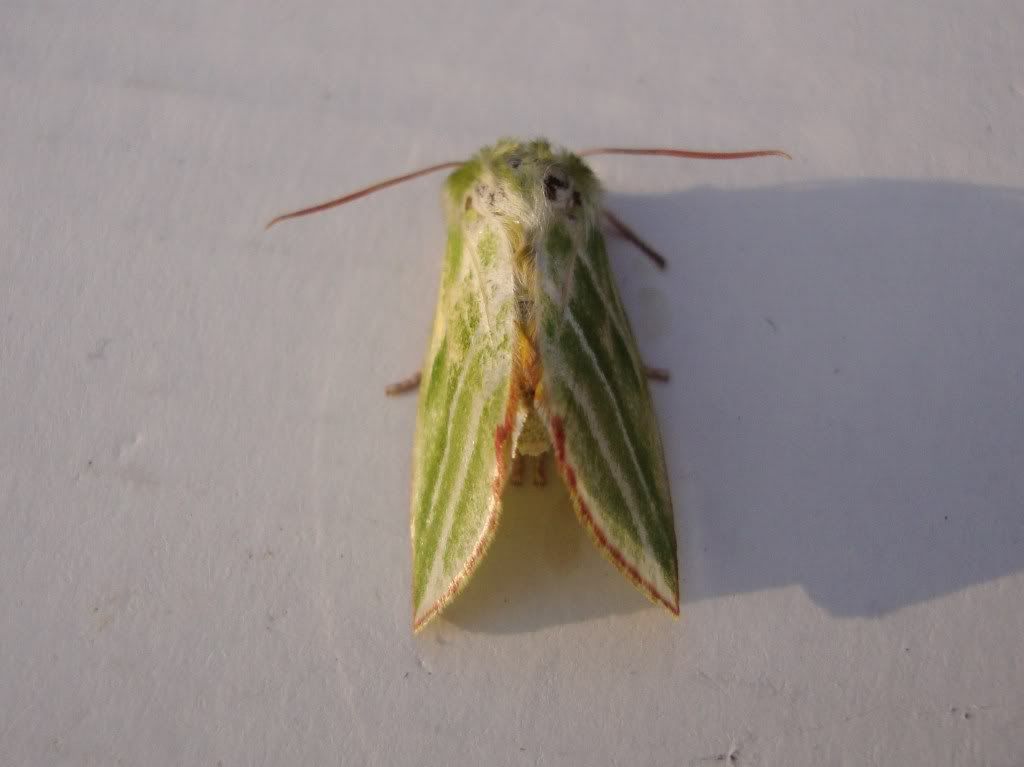
Green Silver-lines

Green Silver-lines

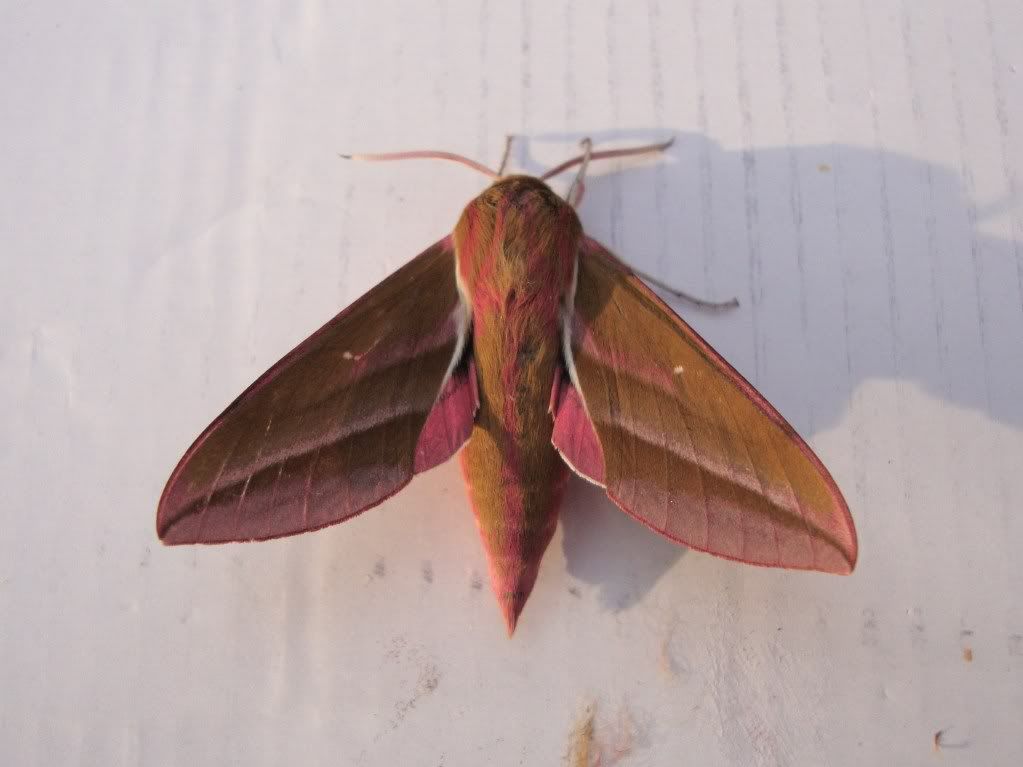
Elephant Hawkmoth

Elephant Hawkmoth

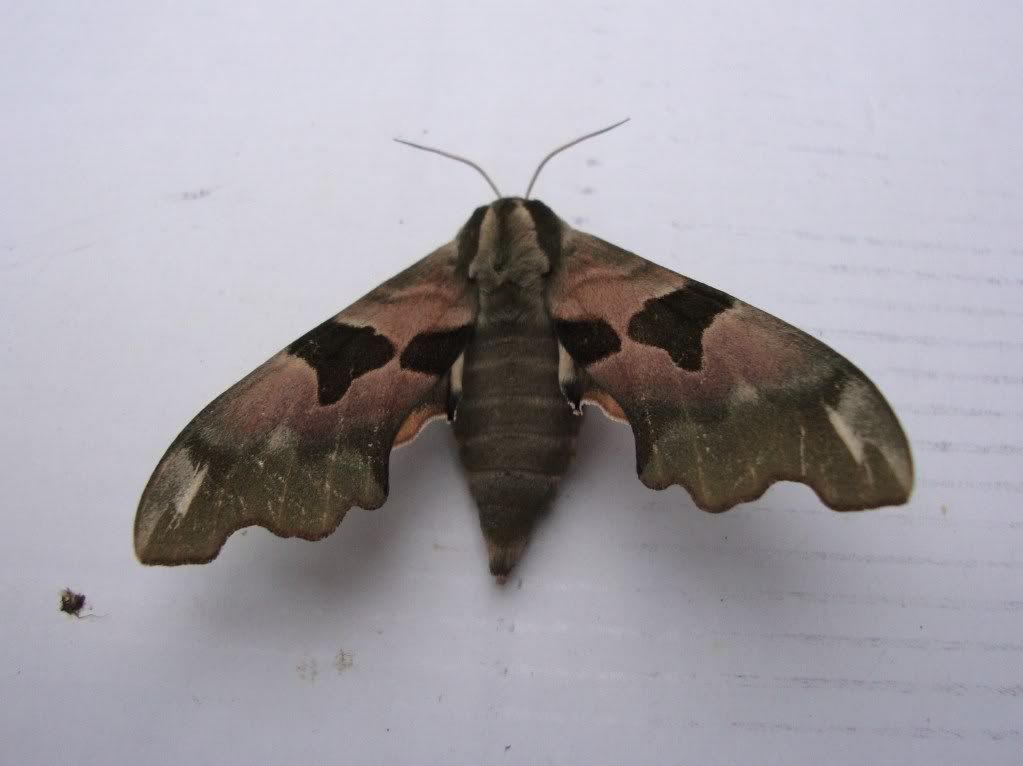
Lime Hawkmoth

Lime Hawkmoth

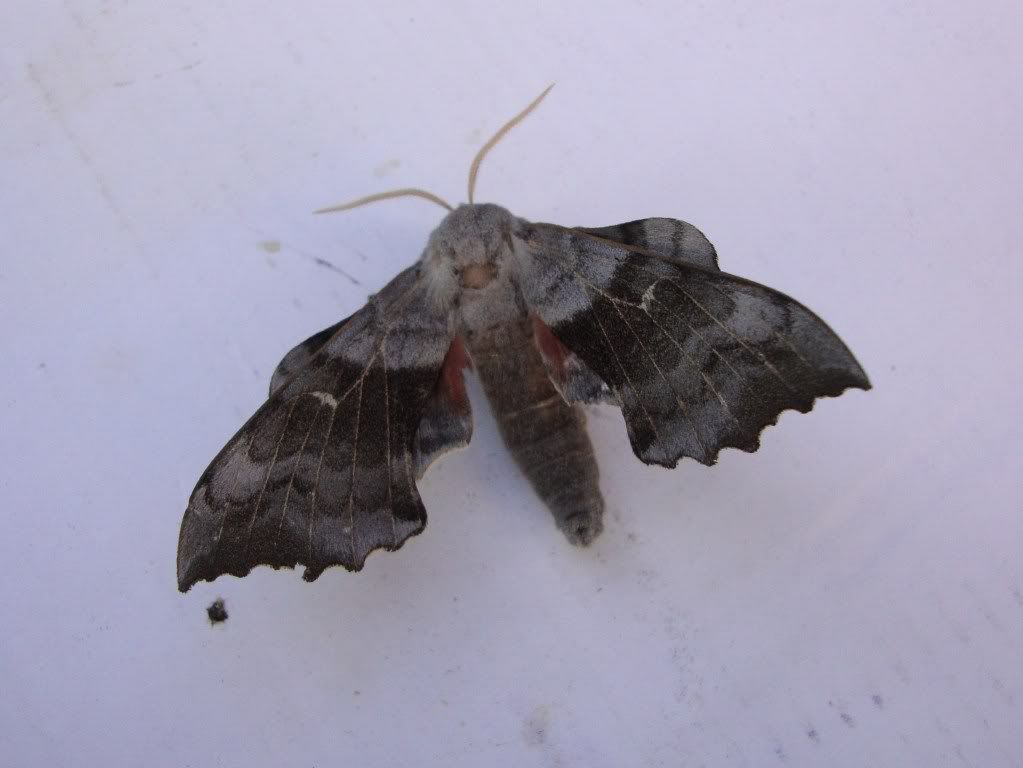
Poplar Hawkmoth

Poplar Hawkmoth

The mothing has also caught the interest of the local robins, who frequently turn up for breakfast as I'm inspecting my catch. In order to protect the moths I have now had to keep them cooped up during the day, releasing them the following evening.

Then last Tuesday I had another avian visitor to the garden at about 11.15pm, just as I was checking the trap before I headed off to bed. It was a splendid tawny owl, who took up residence on the top of a telegraph pole in the garden behind us. Despite the fading light, the owl afforded good views for several minutes, then gave a few screeches before flying off across our garden. Top dollar! I wonder if the owl was taking an interest in the moths too?

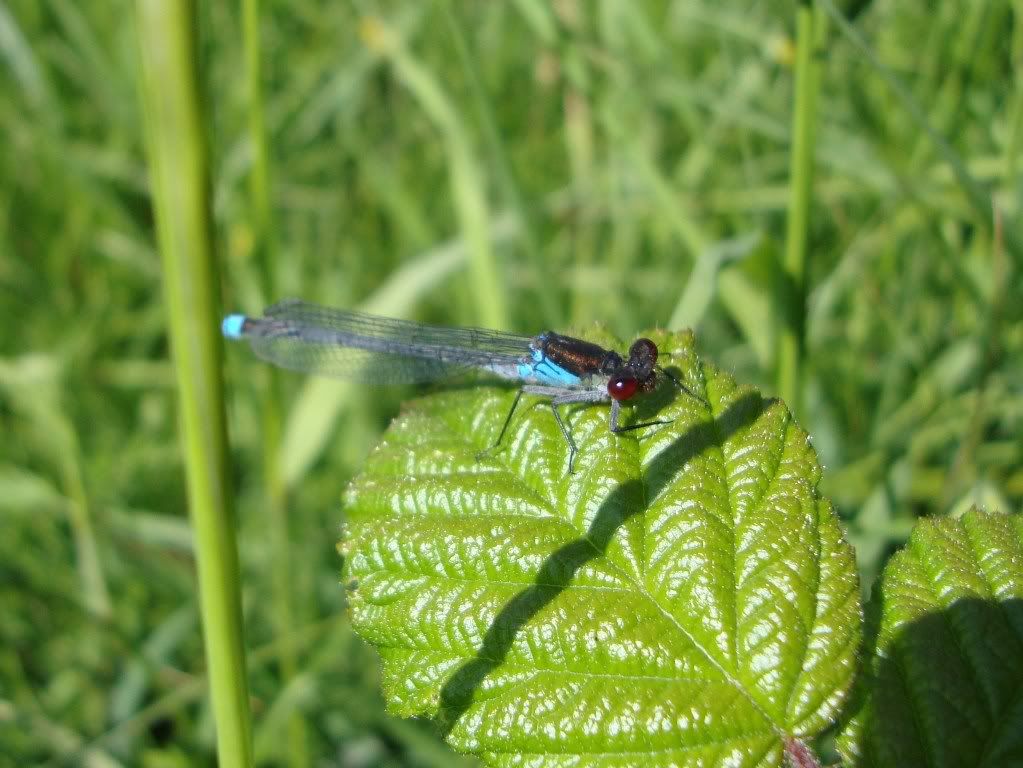
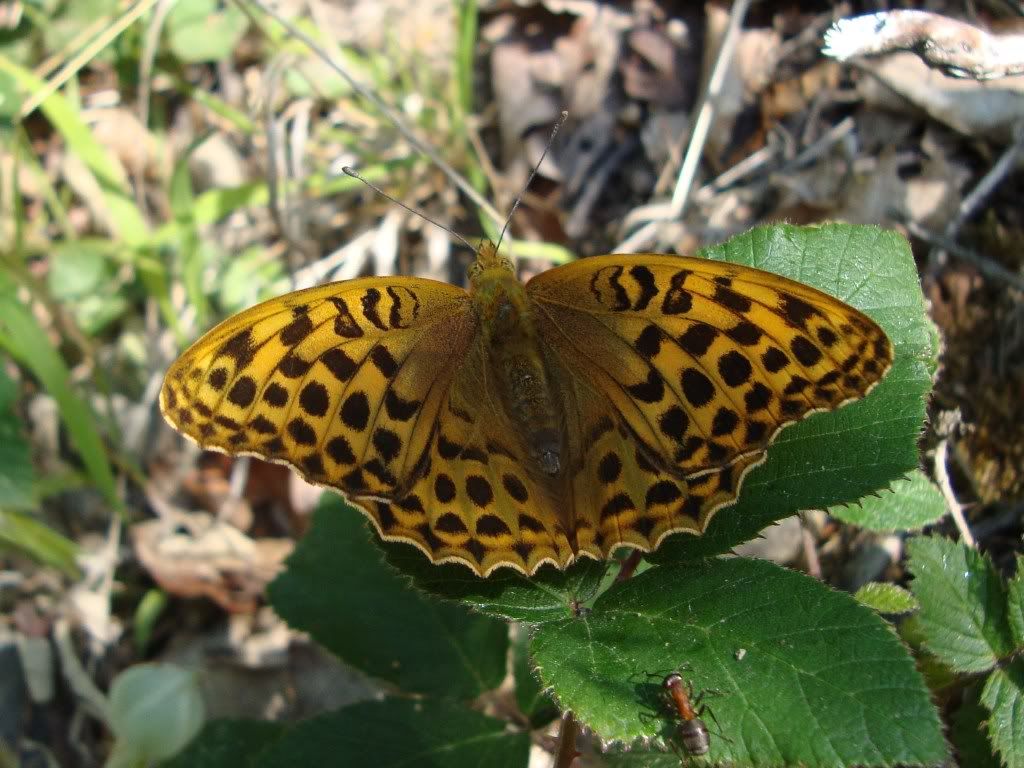
There are a couple of other pictures that I was pleased to get this month. Firstly, a fine red-eyed damselfly, which I have only seen once before, and secondly an early silver-washed fritillary in the Wyre Forest. Hoping to go back to see some more of these during July. Other butterflies added to the list during the month include meadow brown, large skipper, ringlet, small skipper and marbled white.

Red-eyed Damselfly

Red-eyed damselfly

Silver-washed fritillary

Silver-washed fritillary

Friday, May 28, 2010

The Birding Month - May 2010

Well, May and a bit of April to be completely accurate.

Following my birthday celebrations, I headed to Scotland and the Lake District with the family. Birding was never really the main focus during our trip, but despite this we saw a good number of decent birds, including some of my personal favourites like wood warbler, pied flycatcher, garden warbler and tree pipit. All of them self-found too, which always adds to the fun.

Other goodies included tree sparrows in the hotel grounds in Scotland, golden eagle, common crossbill, dipper and several ospreys, one of which flew down the River Tay whilst we were eating our evening meal. Lazy birding at its best!

Inevitably there was a large volume of Eddie Stobarts on the M6 and I duly took advantage, taking my year list up to 99 and the life list near the 350 mark. Like shooting fish in a barrel.

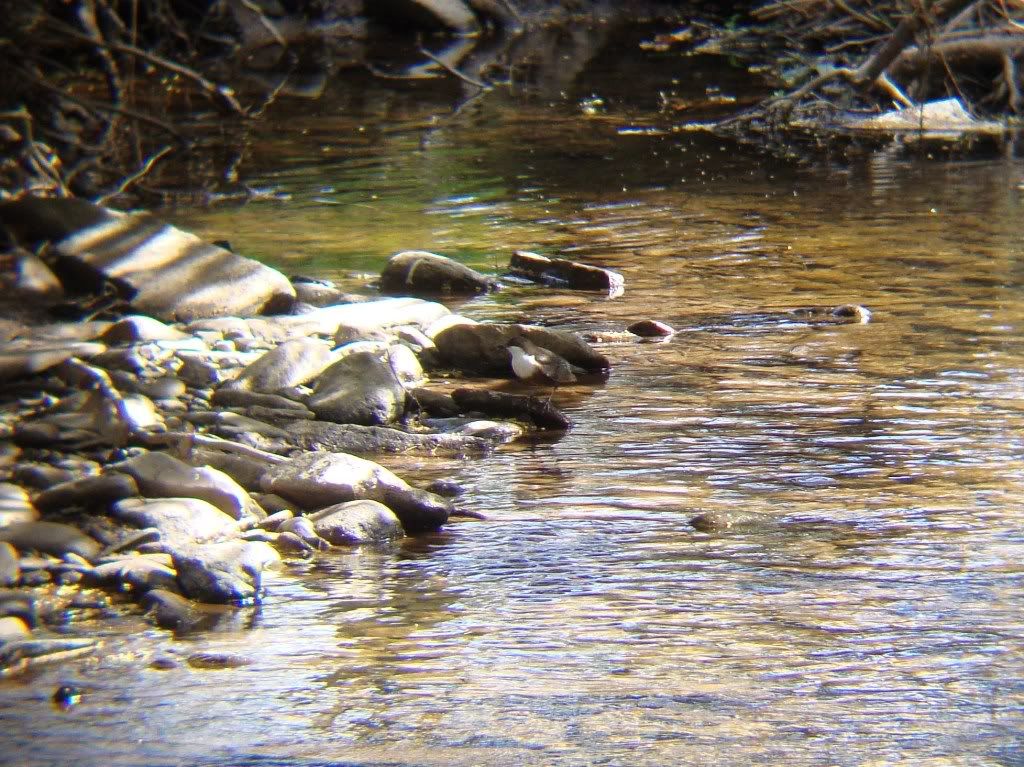
Dipper

Dipper

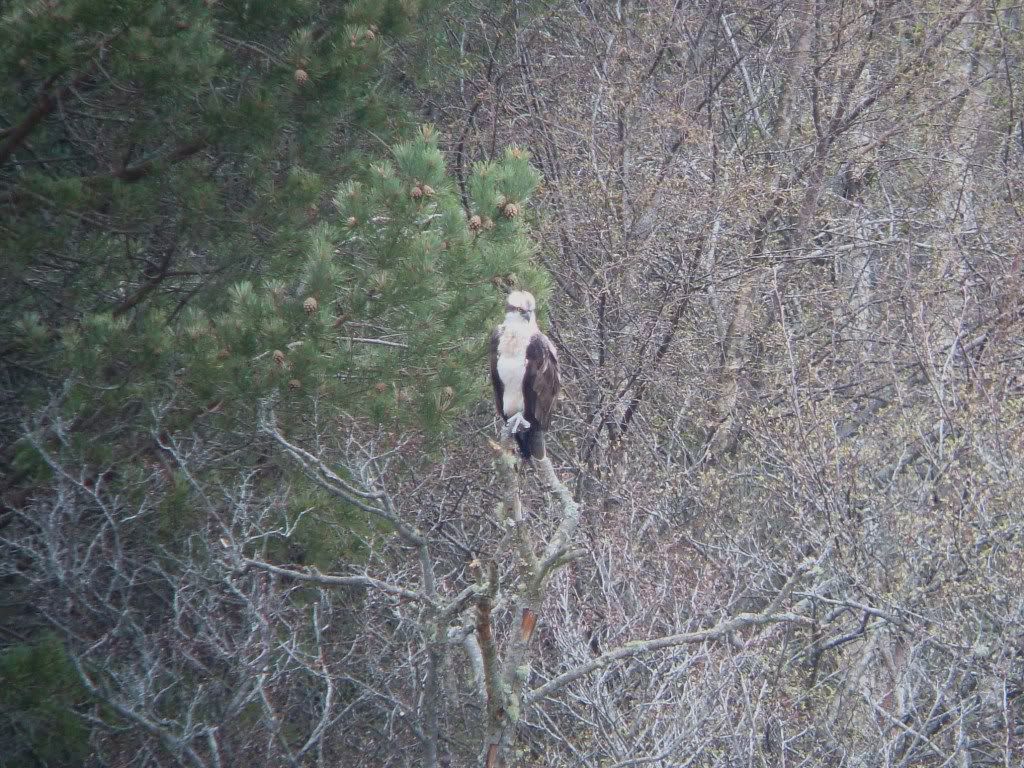
Osprey

Osprey at Loch of Lowes

Osprey

Another Osprey

Common crossbill

Common crossbill

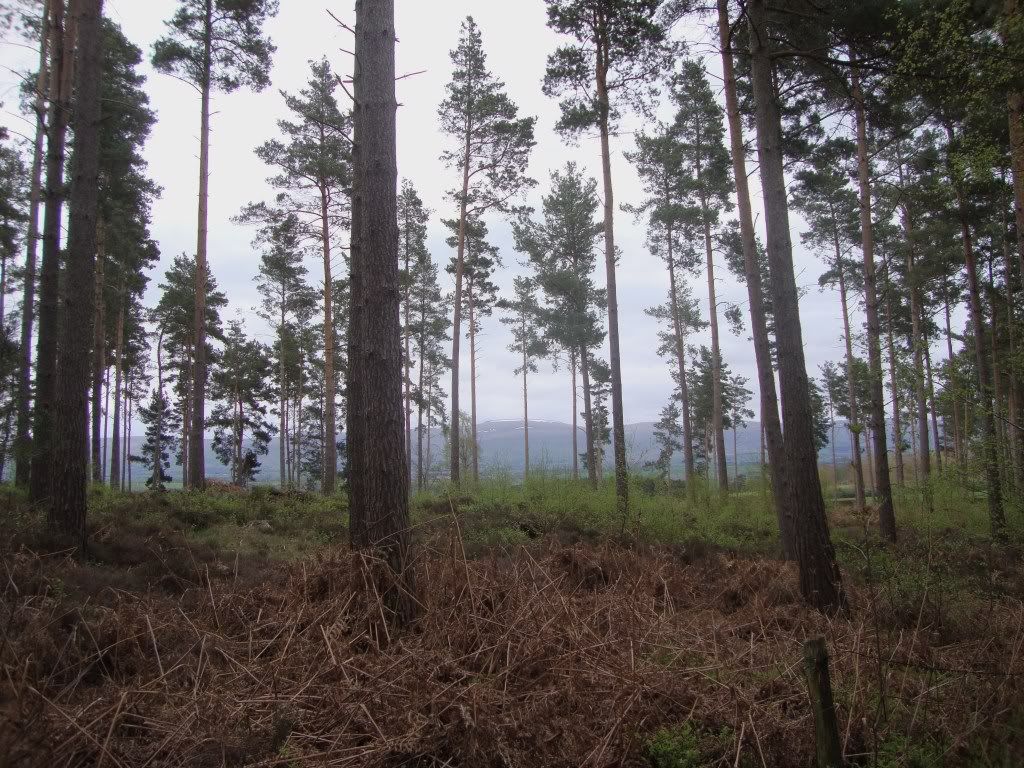
Whinfell Forest - home to tree pipits

Whinfell Forest - home to tree pipits

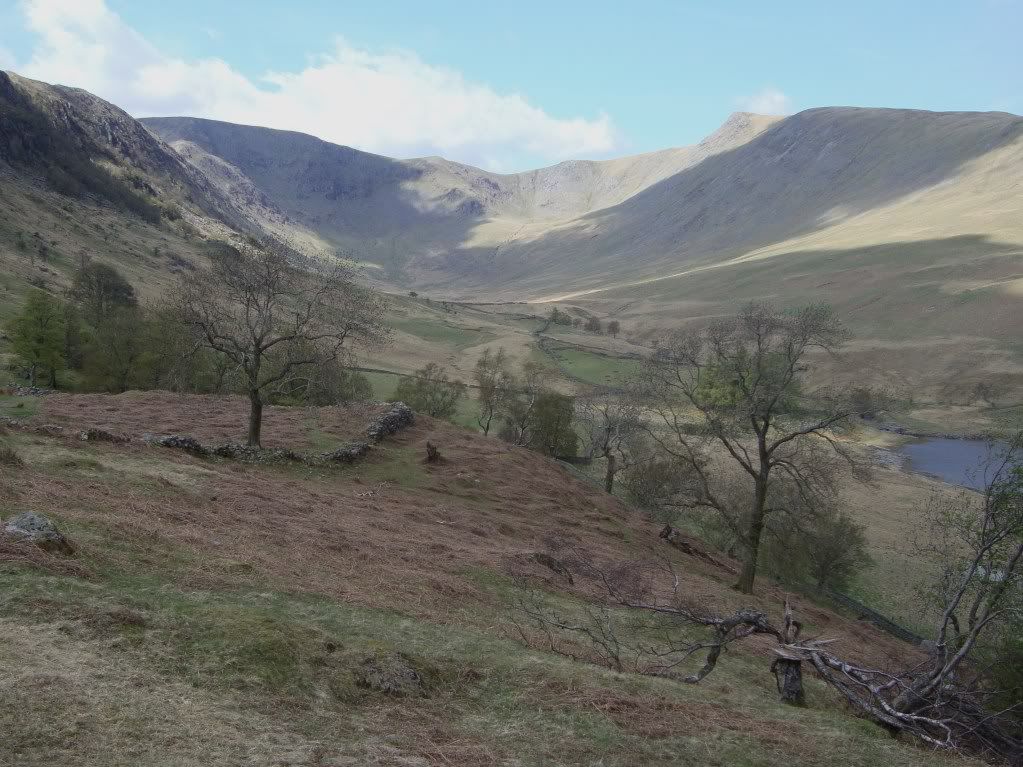
Haweswater

Haweswater

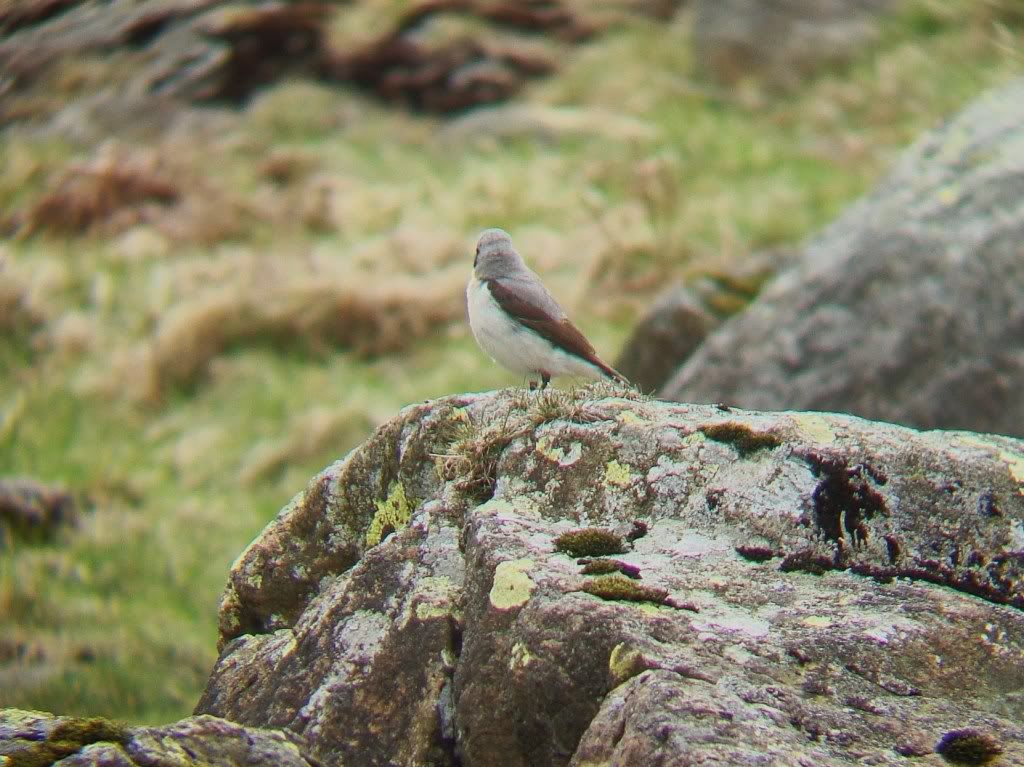
Wheatear at Haweswater

A camera-shy wheatear at Haweswater

Having returned from the holiday and settled back into normal life, I decided to have a play with the moth trap that Mrs Reg had bought me for my birthday. Early results were satisfactory, but having experimented with the trap in different sites and with the onset of some nice warm nights, my catch increased significantly. So much so that I ended up spending two and a half hours sorting everything out on the morning of Saturday 22 May.

During the month I have added 27 moths to my life list, including a few beauties. Some pictures follow.


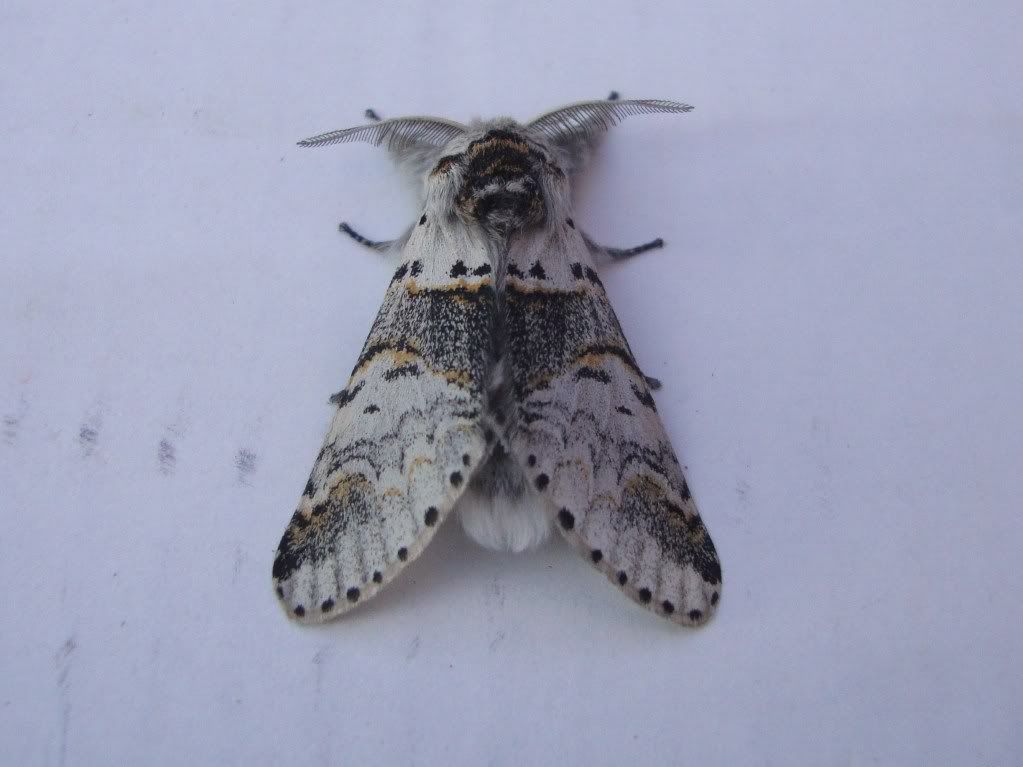
Swallow prominent

Swallow prominent

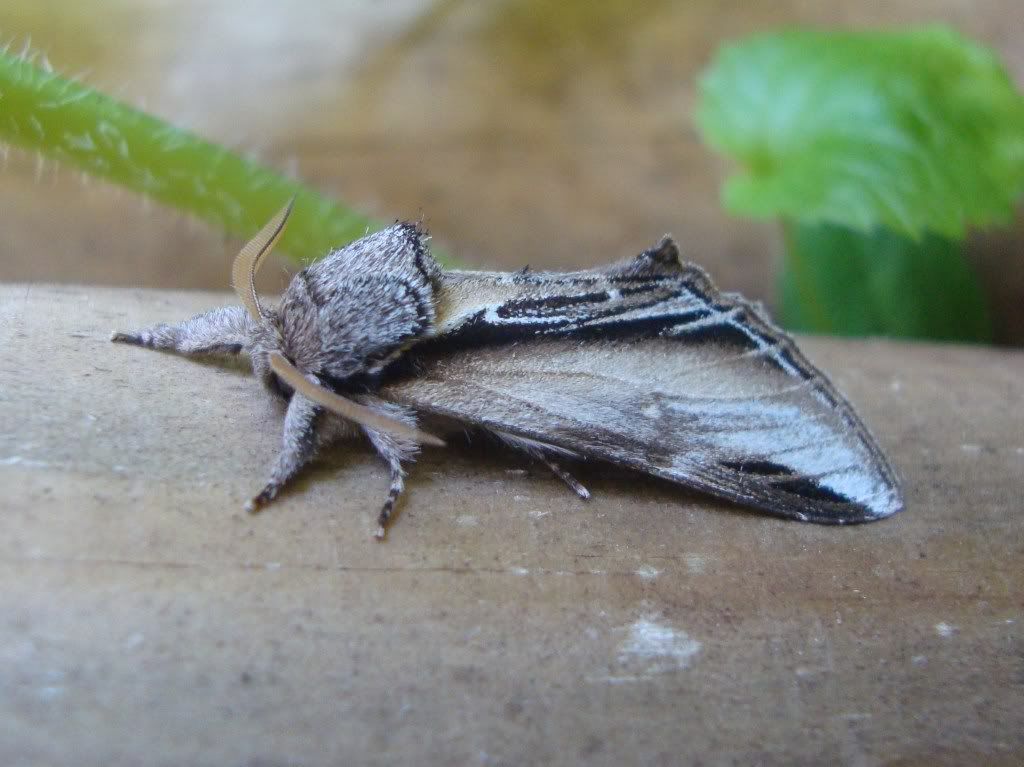
Poplar kitten

Poplar kitten - this chap found its way up the sleeve of my t-shirt!

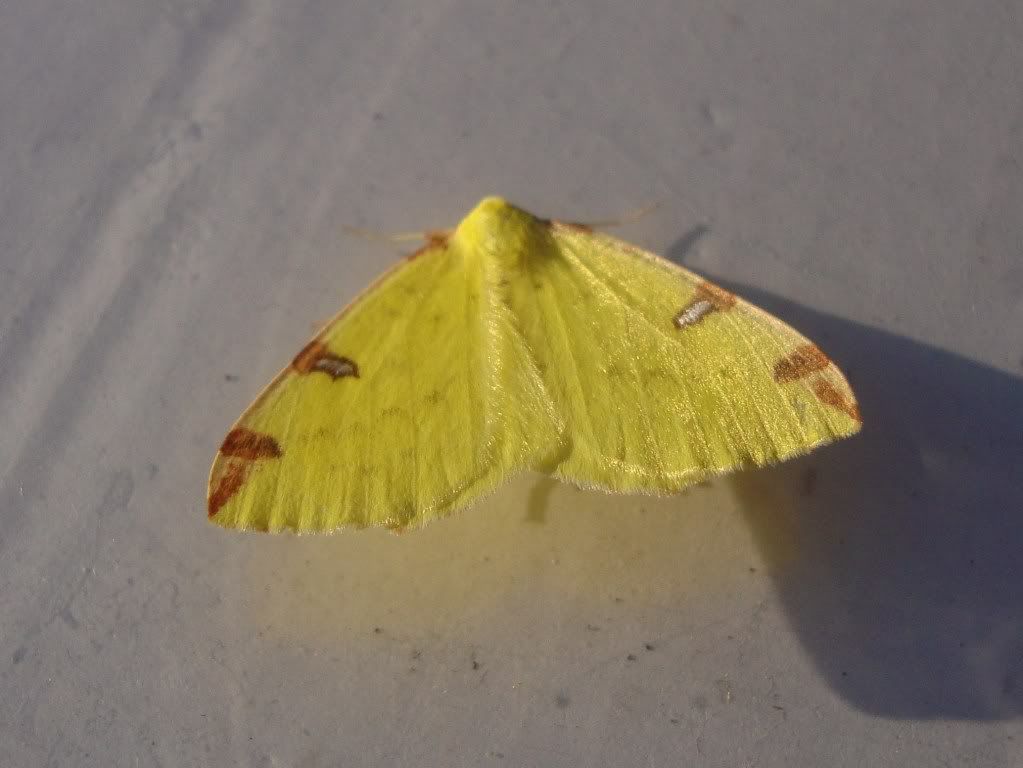
Brimstone

Brimstone

On Sunday 23 May my Dad and I headed to Norfolk for two days of intensive birding. We had three main targets in mind - golden oriole at Lakenheath, honey buzzard at Great Ryburgh and Montagu's harrier at Burnham Market. Setting off at silly o'clock, we arrived at Lakenheath at about 6.30am.

Hearing the golden orioles was a piece of cake - seeing them was a different matter. Finally after three hours of staring at poplars, I was able to get decent views of a male, which my Dad then spotted as it flew off. Mission accomplished.

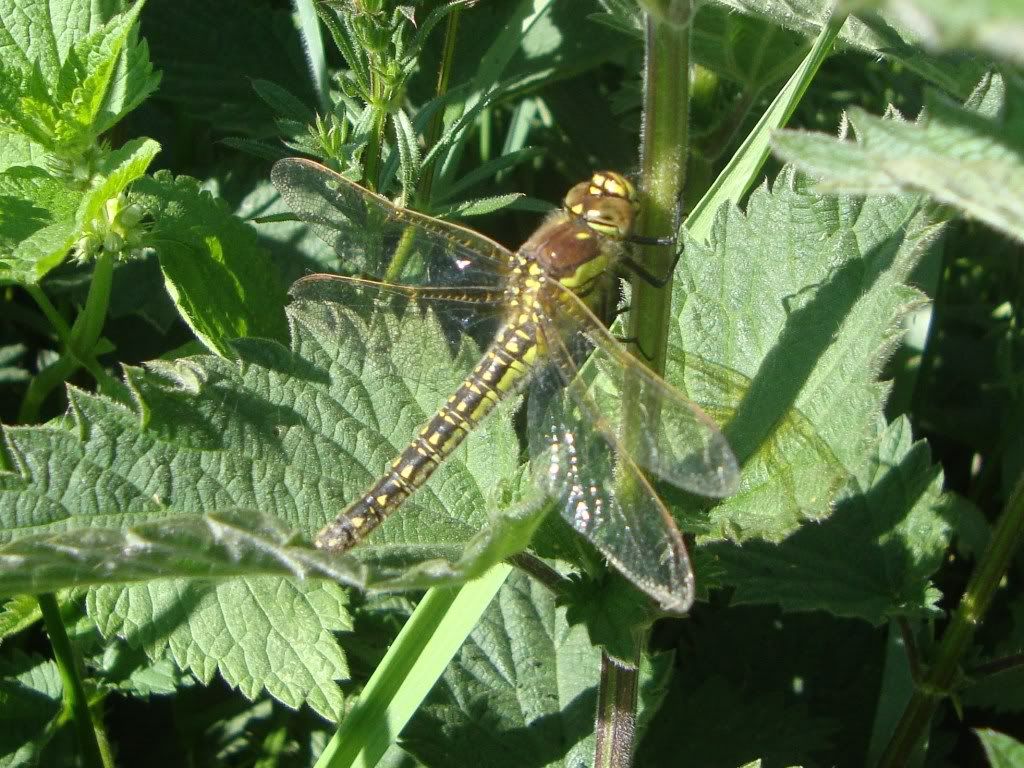
Other sightings at Lakenheath included cuckoo, marsh harrier and hobby, along with my first ever hairy dragonfly, a four-spotted chaser and the first common blue damselfly of the year.

Hairy dragonfly

Hairy dragonfly

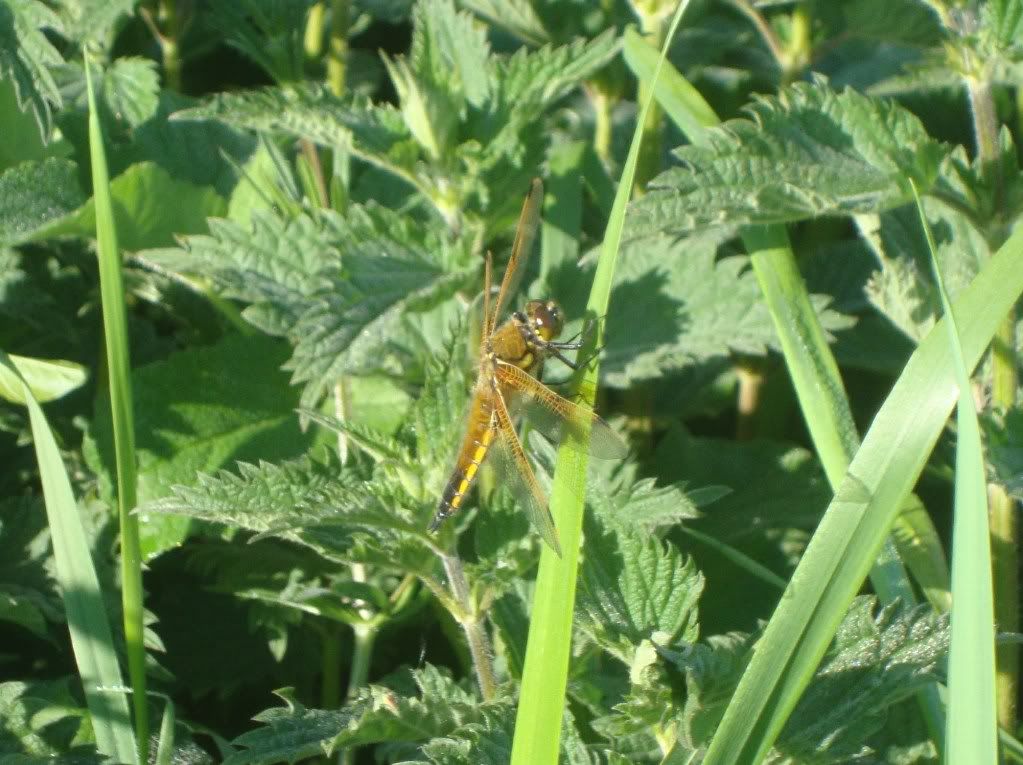
Four-spotted chaser

Four-spotted chaser

With a bit of spare time on our hands we visited Weeting Heath and added a stone curlew to the trip list, then a turtle dove and spotted flycatchers at Foulden Common a bit further up the road. This site also turned out to be something of a butterfly mecca. Brimstone, small copper, common blue, large white and a lifer in the shape of green hairstreak were all noted.

Then it was off to Great Ryburgh. Some birders were already on site and informed us that they didn't think the honey buzzards were around yet. Certainly, it did seem very quiet there and we only spent an hour before moving on. Hundreds, maybe thousands, of common blue damselflies patrolled the fields here.

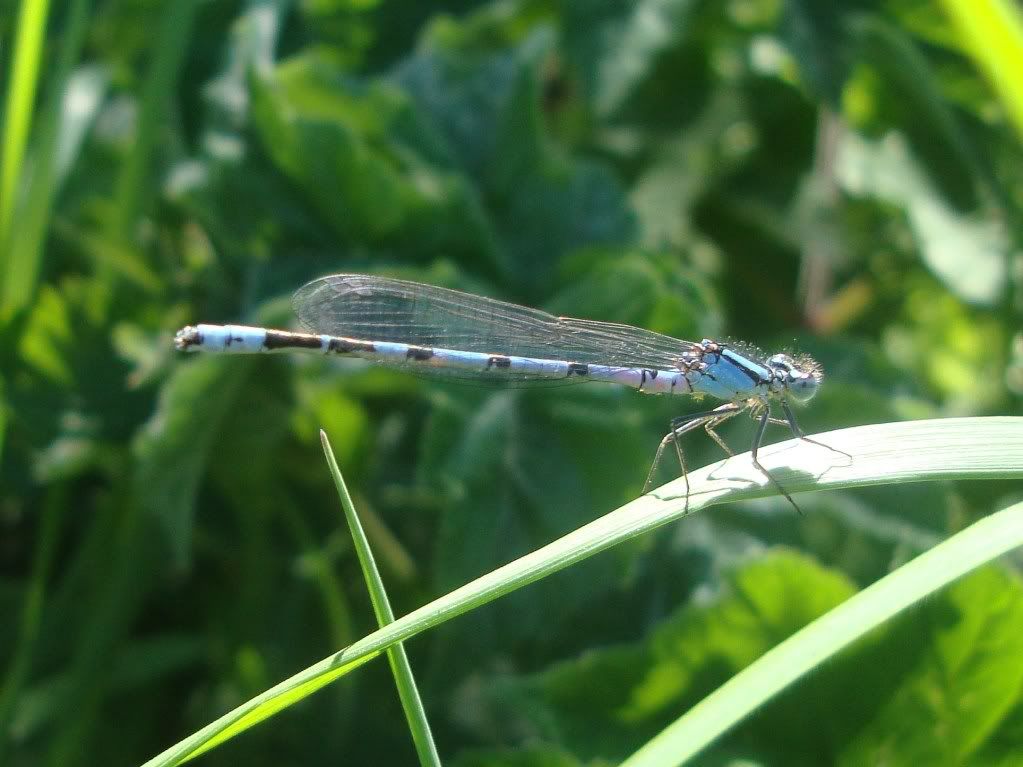
Common blue damselfly

Common blue damselfy

Our next target was Montagu's harrier. We put in about an hour looking for the bird, but to no avail. Somewhat disappointed we decided to spend a few hours at nearby Titchwell. This proved to be a good decision as there were some excellent birds on offer - Temminck's stint, garganey, little gull, grey plover and little tern to name but a few. Also a large red damselfly.

After checking in at our bed and breakfast in Holt, we ate at the Dun Cow at Salthouse, then spent the last couple of hours of the day on Salthouse Heath looking for nightjars. Despite hearing them, we never saw one, which was a shame. Finally, after 16 hours in the field we called it a day. Reports of a Savi's warbler at Stiffkey Fen that evening got us excited about the following day's prospects.

To cut a long story short, we didn't manage to see Savi's wabler the following morning. The words needle and haystack spring to mind, and we had no idea whether the bird was still around. Other birders present had little gen, so we felt we would be better off investing our time elsewhere.

We headed back to Burnham Market and were rewarded with good views of Montagu's harrier after only a short wait. Buoyed by this success and with time on our side we felt we should give the honey buzzard another go at Great Ryburgh. We joined several other birders and saw a couple of birds that looked almost exactly, but not quite unlike honey buzzards, though nothing to justify another entry on the life list.

After a shortish visit to Sydenhurst Common where I spotted a couple of cinnabar moths and many small heath butterflies, we went back to Titchwell. Despite not really expecting to see much different to the day before, we actually did quite well. Little stint, bar-tailed godwit, yellow wagtail and bearded tit were all new for the year.

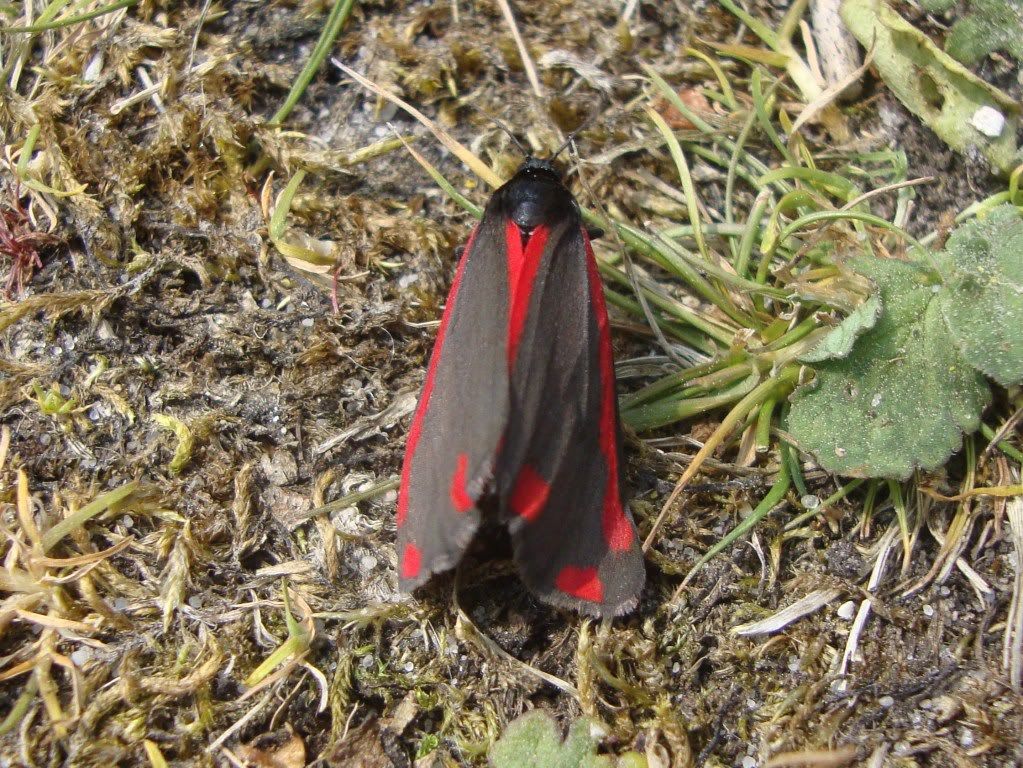
Cinnabar

Cinnabar

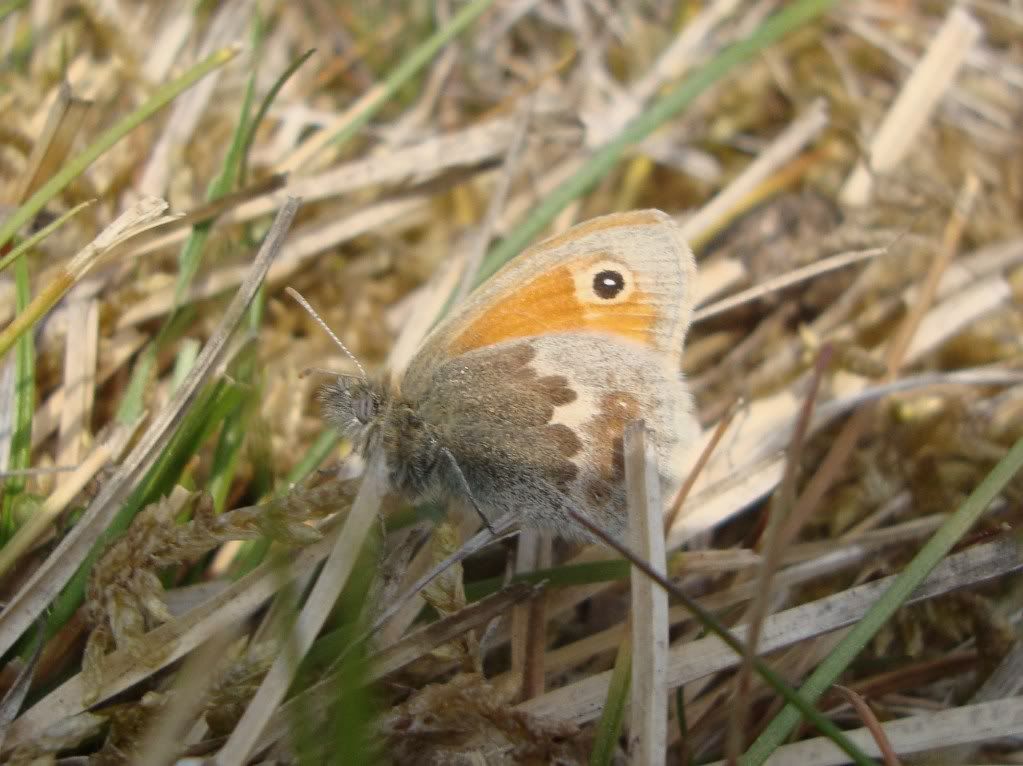
Small heath

Small heath

In summary, a good month for birding with two lifers to show for it. Despite this, I think it was the mothing that I will remember and I'm looking forward to more good catches over the coming months. More details here in about four weeks' time.

Sunday, April 18, 2010

The Birding Month - April 2010

Like March, April has been another relaxed affair, but there have been some superb spots along the way.

Taking the foot off the birding pedal this year has meant that certain sightings have been all the more rewarding due to their unexpected nature. My first swallow of the year seen on the way to work on 6 April was one such example. Also heard my first blackcap of the year that morning.

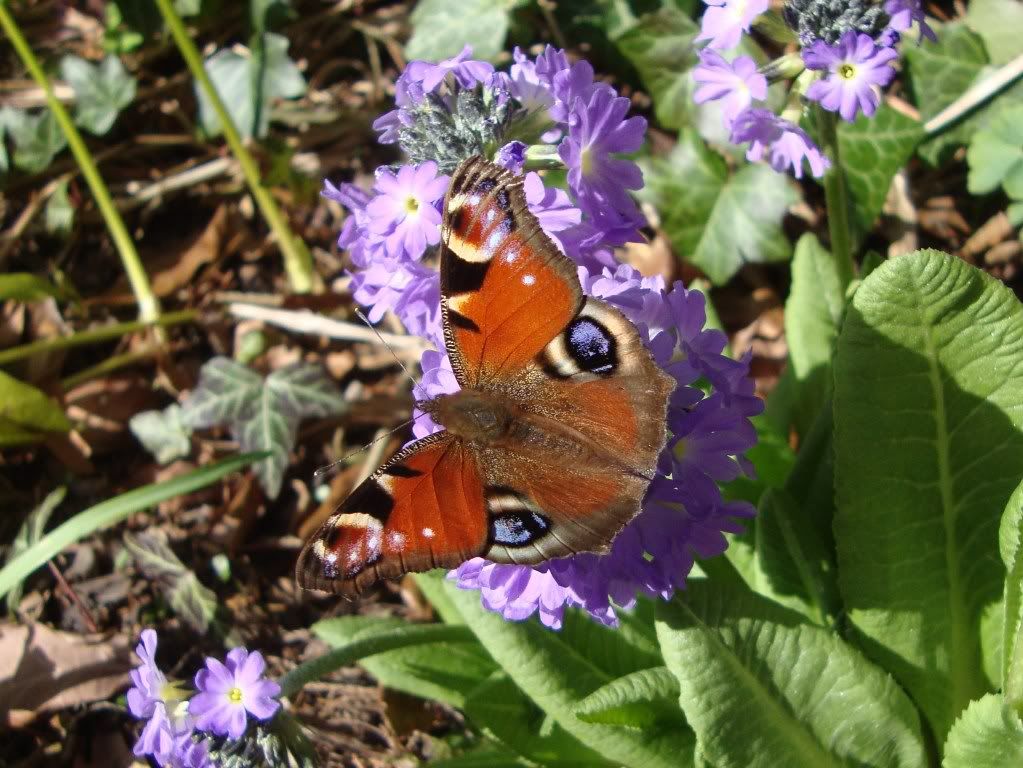
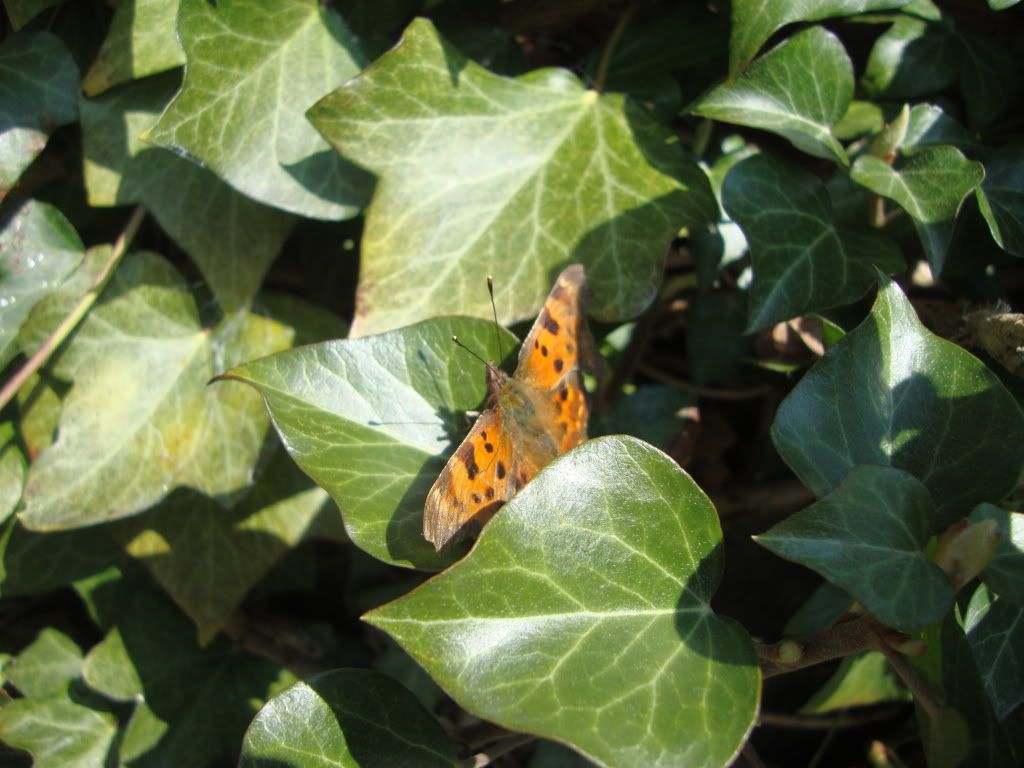
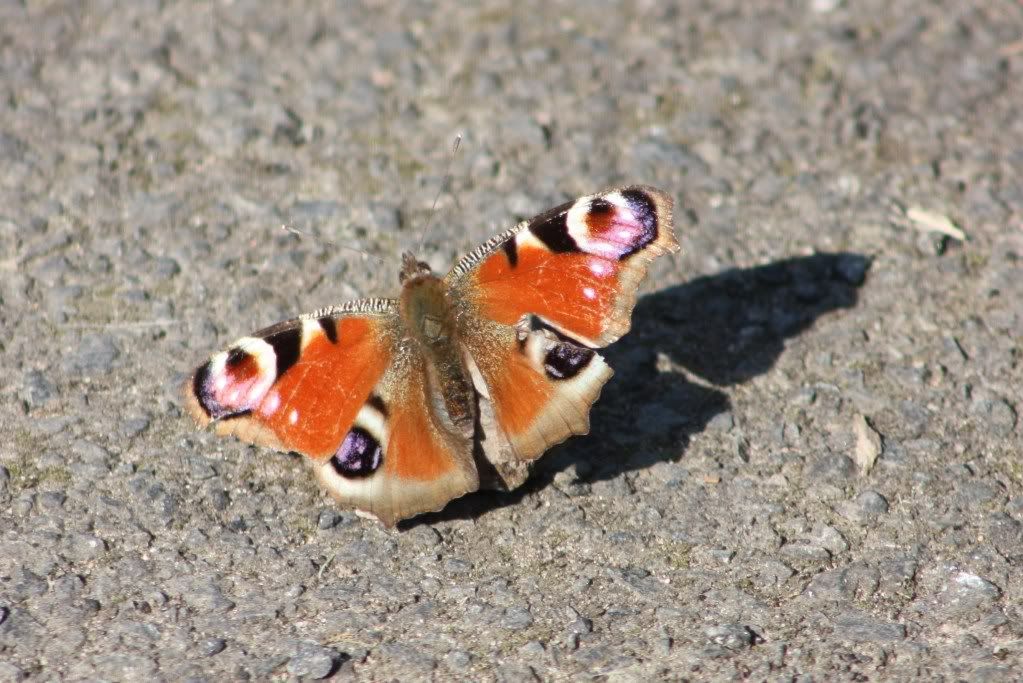
The butterfly sightings started to roll in at the start of the month too. Peacock, small tortoiseshell and comma were all seen for the first time between 7 and 10 April.

Peacock

Peacock in the garden

Comma

Comma in the garden

Finally, a bit of proper birding on 11 April. My Dad and I went to Titterstone Clee Hill to have a look for ring ouzel. A bit of a bogey bird this one for me. I had rubbish views of one on top of Caingorm in May 2008 and a few unsuccessful forays for it since. I'm pleased to say we had great views of it and had bonus spots of black redstart, peregrine and wheatear. A fairly terrible record shot of the ring ouzel taken with my phone follows.

Ring ouzel

Ring ouzel at Titterstone Clee Hill

Later that day, Mrs Reg and I paid a visit to Upton Warren. Mrs Reg has just purchased a new Canon camera and was keen to try it out. Birds seen included avocet, little ringed plover and green sandpiper. Unfortunately, Mrs Reg neglected to extend her zoom lens properly, so didn't end up with many decent shots. What a silly billy!

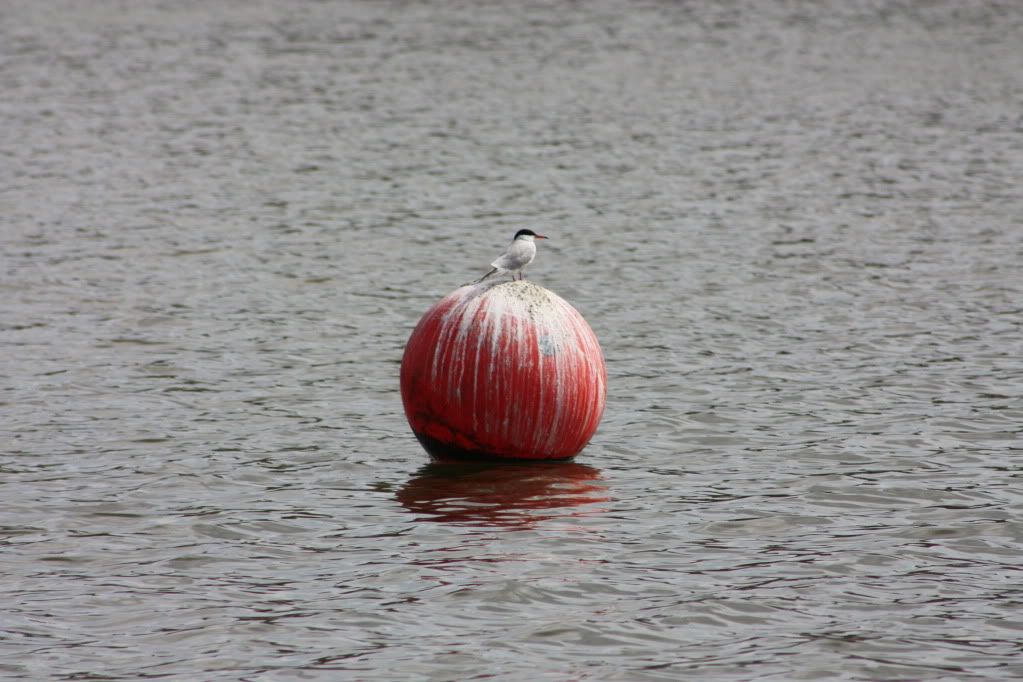
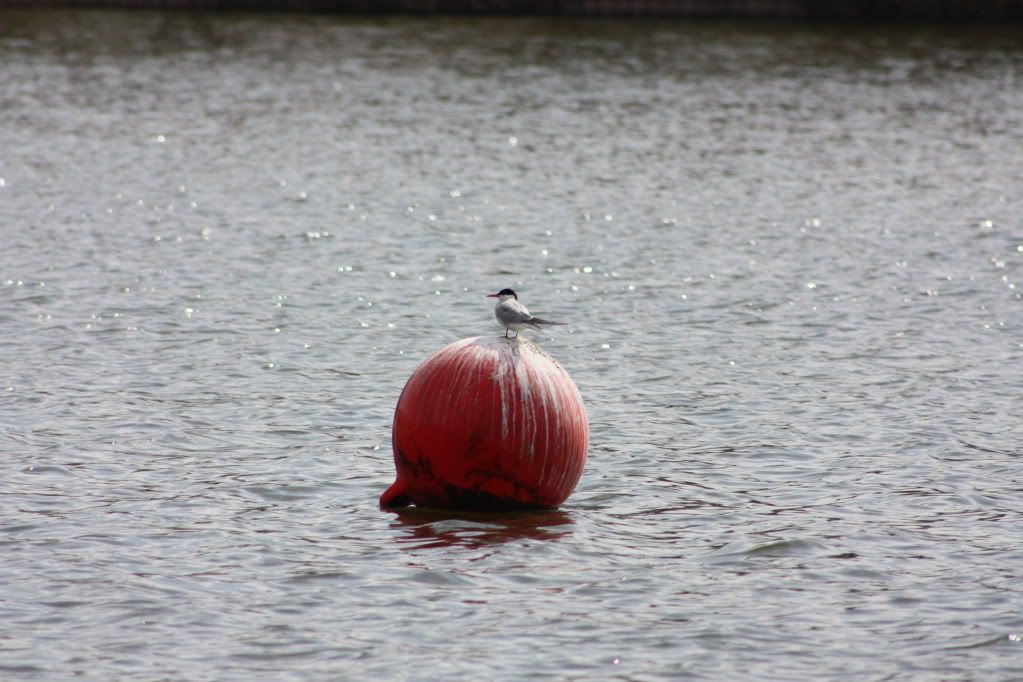
Still, Mrs Reg's blunder meant I was able to persuade her to accompany me to Earlswood Lakes for a second bite at the cherry on 16 April. We had a nice walk around the lakes, seeing common tern, willow warbler and also my first treecreeper of the year. This time the other half got some nice photos and I bagged a few decent shots of the terns.

Common tern

Common tern

Common terns at Earlswood Lakes

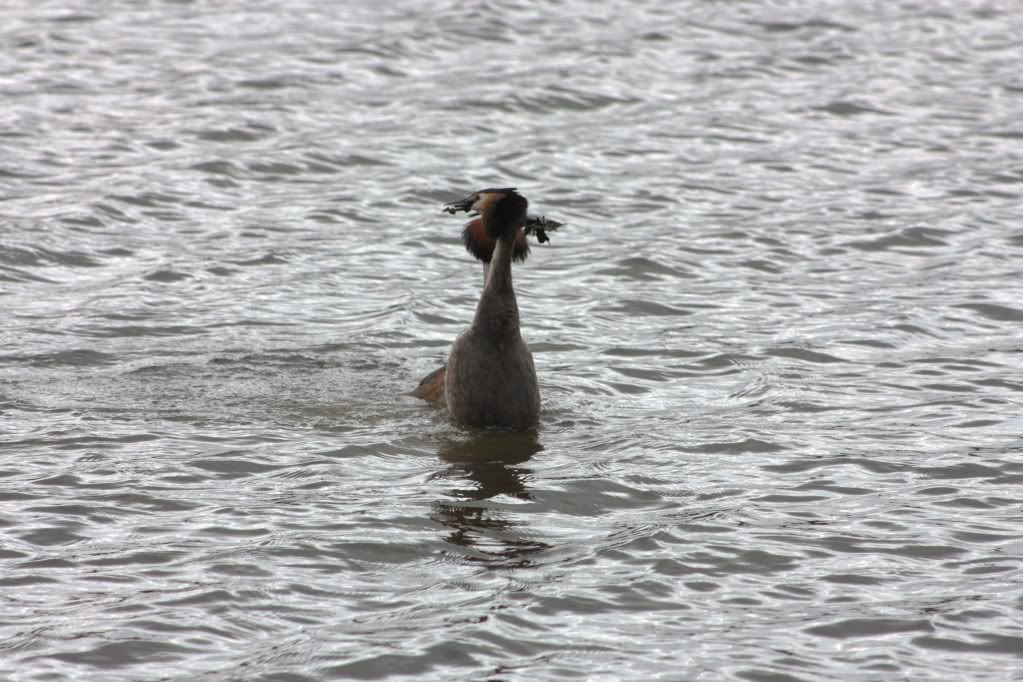
Also, these great crested grebes getting all lovey-dovey.

Great crested grebes

Grebes - amorous

Saturday 17 April proved to be a mega day on the patch. I hadn't planned to go out, but it was such a lovely day that Mrs Reg and I decided to take advantage of the weather and have a walk to Weatheroak Hill. At the magic field we enjoyed views of the lapwings and a skylark - all very nice, but regulation stuff.

Before long, the ante was well and truly upped when a pair of ravens turned up. Great birds. I amused myself by calling to them using a slight variation on my Chewbacca impersonation, though it wasn't long before Mrs Reg told me to shut up. Spoilsport.

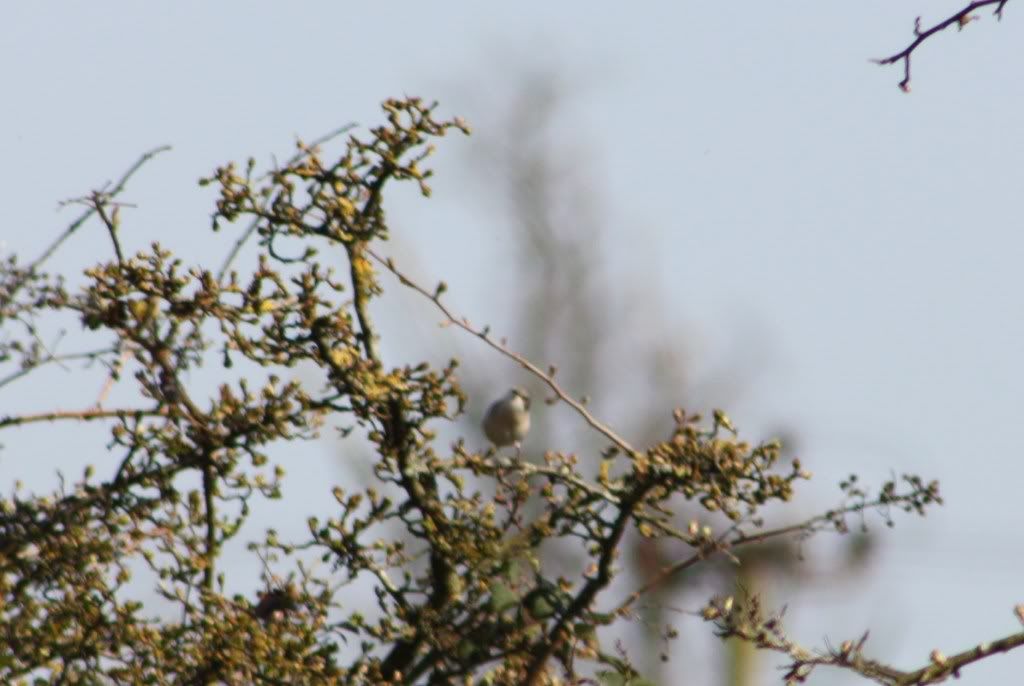
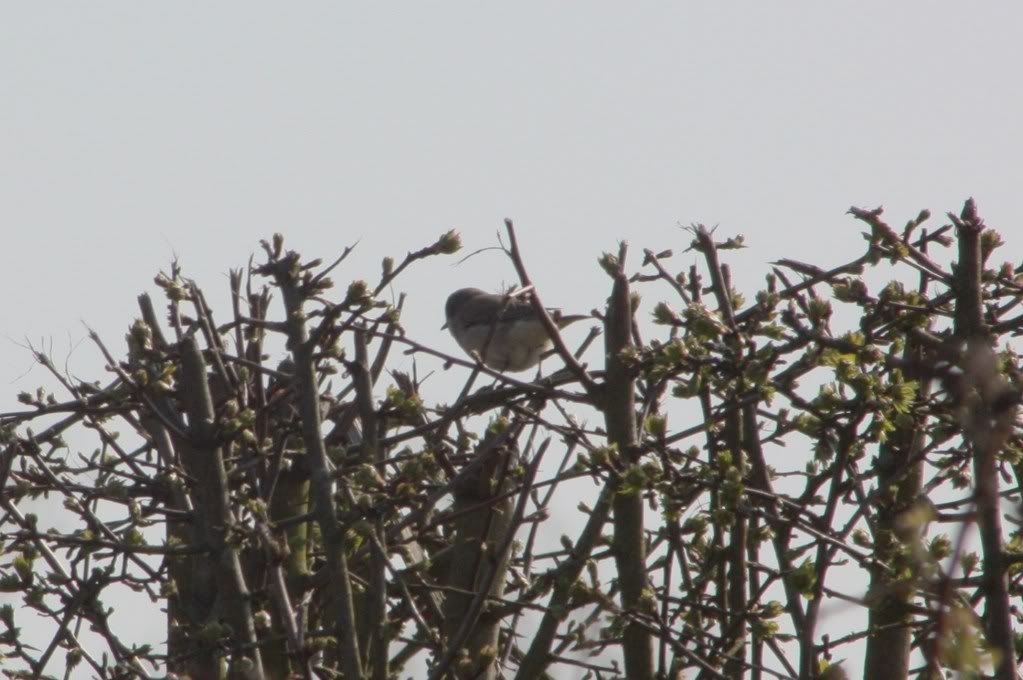
However, even the ravens paled into insignificance on this fine day as I had heard a lesser whitethroat in full song not too far away. This was a first for the patch and with a lot of patience and a fair amount of pishing, I was eventually able to track down the bird. Mrs Reg kindly lent me her camera again and I was able to get the following shots. None of them are perfect, but I don't care. This is one of my favourite birds and there was much fist-pumping on the way home.

Lesser whitethroat

Lesser whitethroat

Lesser whitethroat

Lesser whitethroat - hell yes!

Another peacock

Another peacock, snapped by Mrs Reg

Also spotted a female orange-tip in the magic field. It was distant, but I was happy with my diagnosis.

To top off a good weekend, I saw a pair of peregrines high over the house on Sunday afternoon, and a willow warbler was heard in the trees behind our garden. Another was heard at work the day after.

The first speckled wood butterfly of the year was seen at work on 20 April, and I managed to clap eyes on a willow warbler there the day after. Not technically on the premises, as it was just on the other side of the fence on Kings Norton golf course, but the first I have ever seen at work.

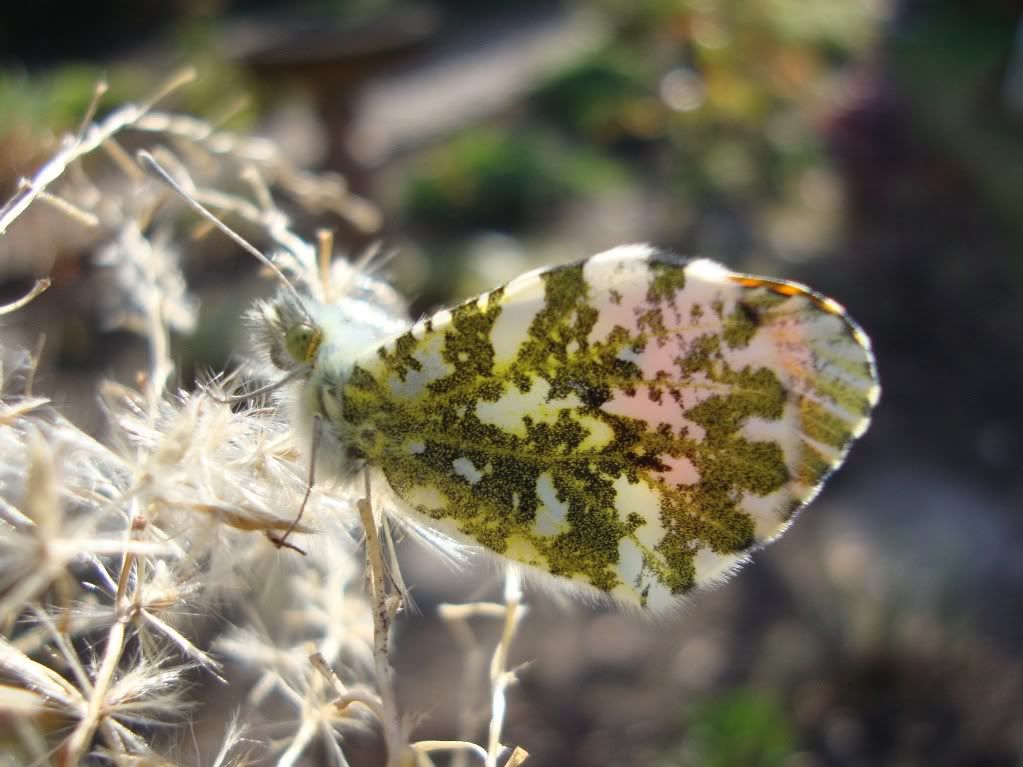
On Friday 23 April it was my 40th birthday. Mother Nature's present was a male orange-tip in the garden. It turned up at about 4.30pm and settled on the ornamental grass. I dashed upstairs to get the camera to take some pictures, one of which follows, but I needn't have rushed - it remained in situ until Saturday morning, not flying off until nearly midday. Lazy beggar!

Male orange-tip

Orange-tips - sleepy!

Obviously, there are several days left until we are into May, but I am now off to Scotland on holiday. Hopefully there will be a few more decent observations before the month is out. I will include these in my next round up, which should be in about five weeks' time.

Sunday, March 28, 2010

The Birding Month - March 2010

A quiet month on the whole, with one or two highlights.

Kicked things off in good style with a visit to the Forest Of Dean, which I have not been to since 2008. Target bird was goshawk and we saw several from the New Fancy View watchpoint. Half a dozen common crossbills were also noted.

Later on at Boys Grave we had exceptional views of two displaying goshawks at relatively close quarters. Brilliant stuff. Also saw my first butterfly of the year here - a red admiral.

The following week, my Dad and I paid a visit to the Wyre Forest, which was uncharacteristically quiet. Of all the birds that we hoped to see, I think we only clapped eyes on a dipper. Actually, Dad didn't even see that, come to think of it!

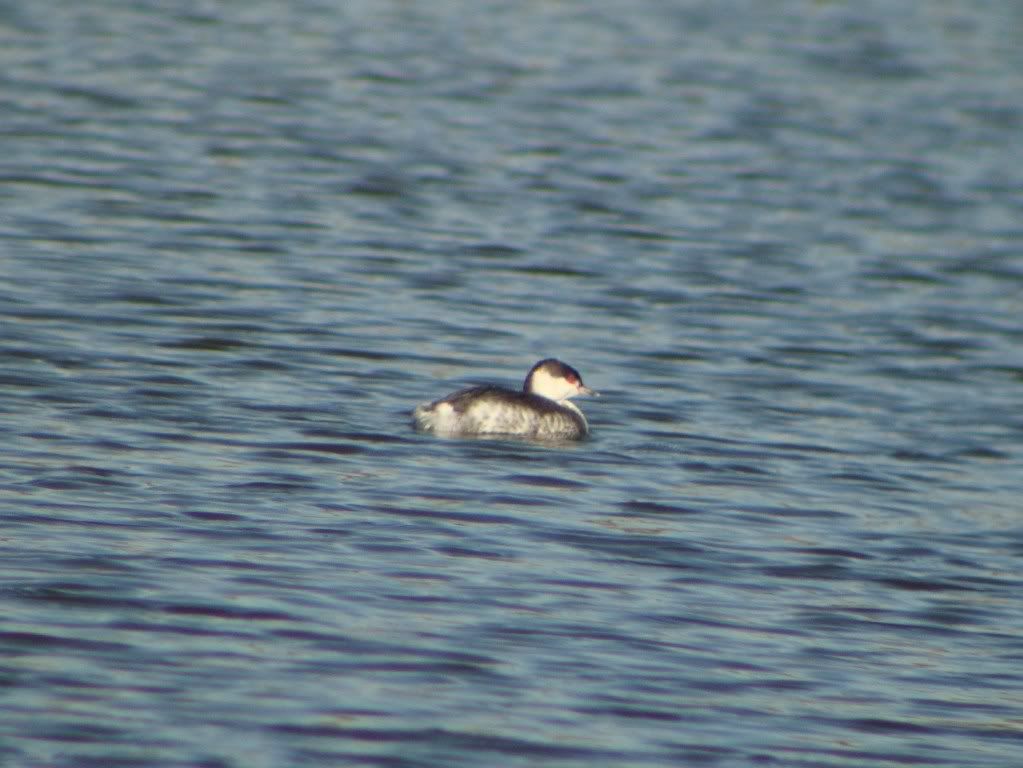
We consoled ourselves with the Slavonian grebe at Grimley on the way home. We also stopped off at Upton Warren, but this was also devoid of birds. The avocets were nowhere to be seen.

Slavonian grebe at Grimley

Slavonian grebe at Grimley

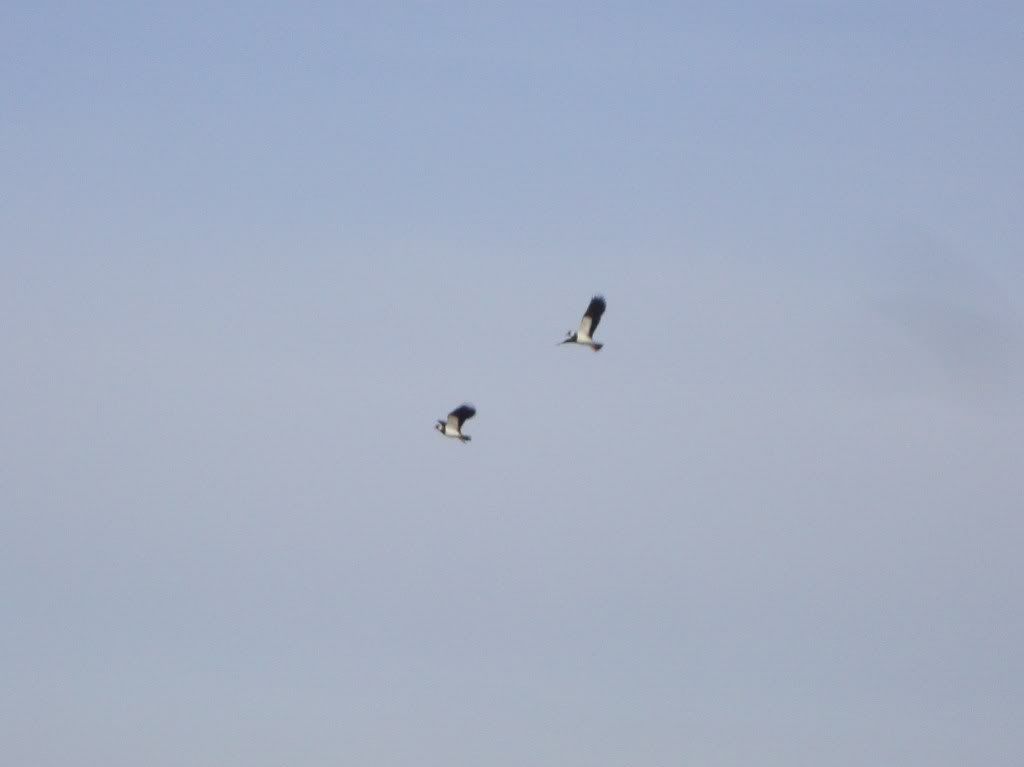
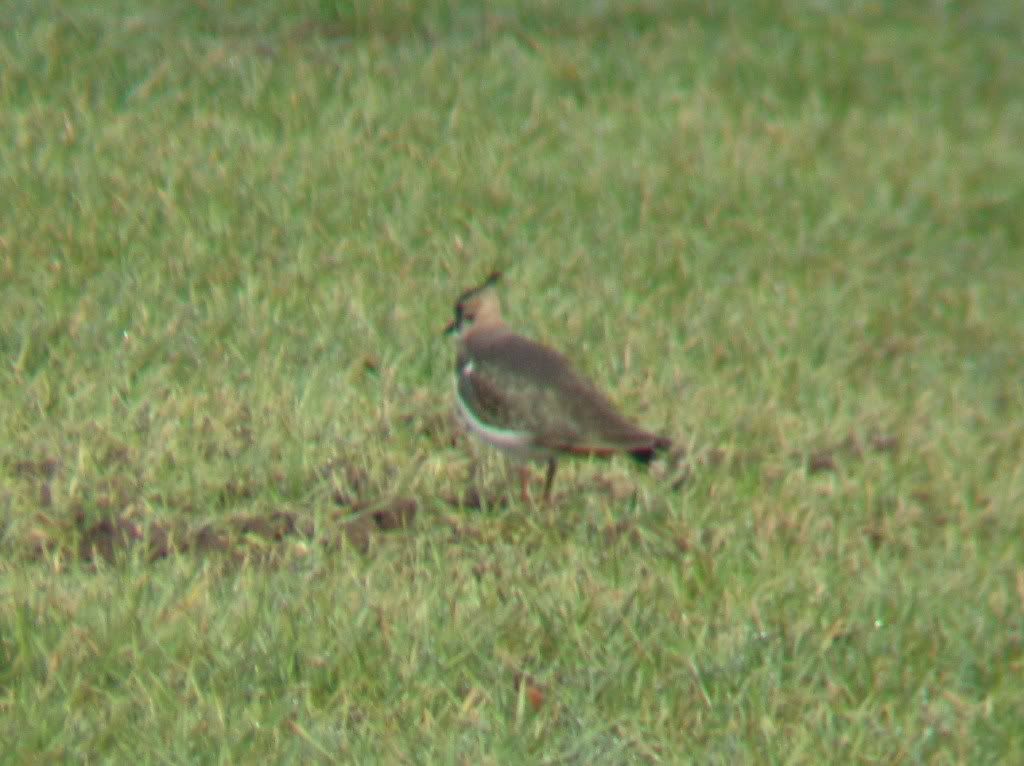
Aside from that, I have been out on the patch the last couple of weekends. The lapwings are back in the magic field and I will be keeping close tabs on them over the next few weeks. This time next month they should be rearing their young.

Lapwing in the Magic Field

Lapwing in the magic field

Lapwings

Lapwings

Digi-binned lapwing

Digi-binned lapwing

I heard my first chiffchaff at work on Friday 19 March, but had to wait until Friday 26 March to see one. Two meadow pipits dropped into the grounds on Thursday 25 March, and a sparrowhawk was seen the day before that.

Yesterday afternoon a brimstone butterfly turned up in the garden, and later on there were visits from a goldcrest and a great spotted woodpecker.

A good month with the emphasis on quality, not quantity.

Monday, March 8, 2010

Casps, kites and shrikes

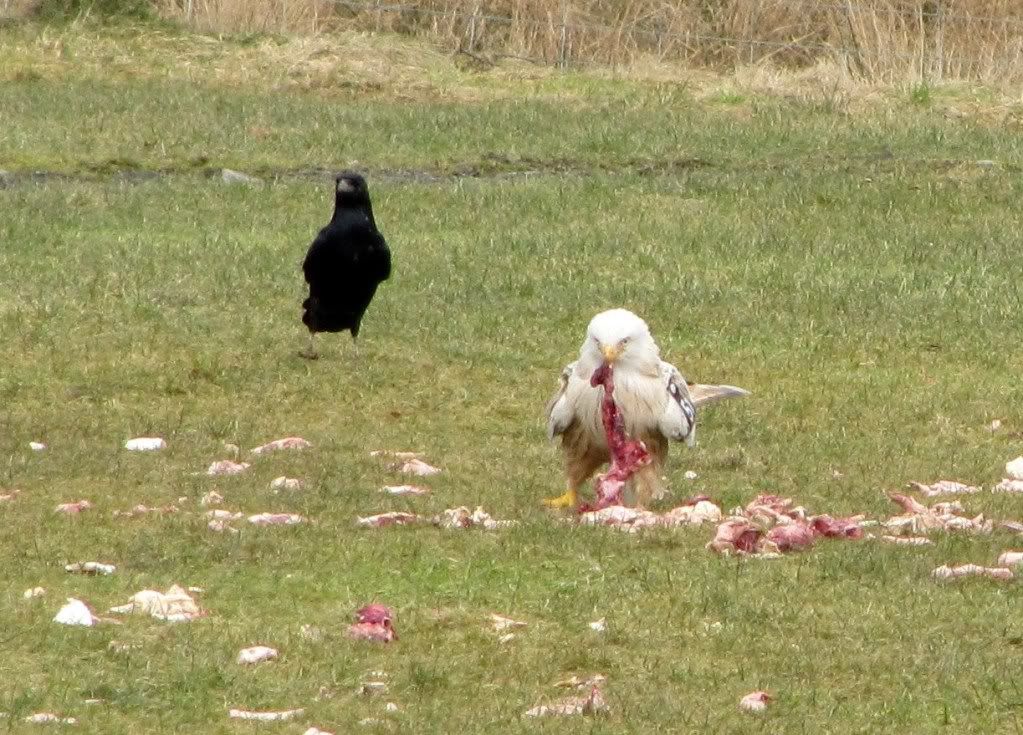
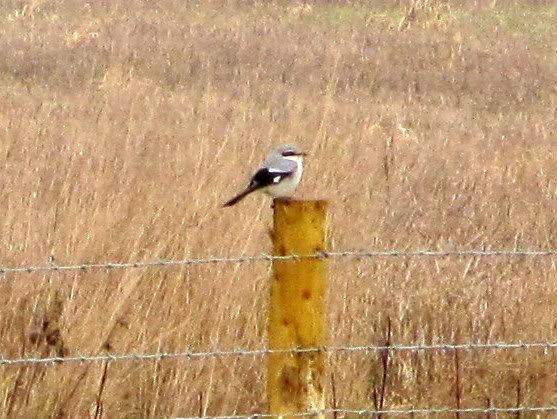
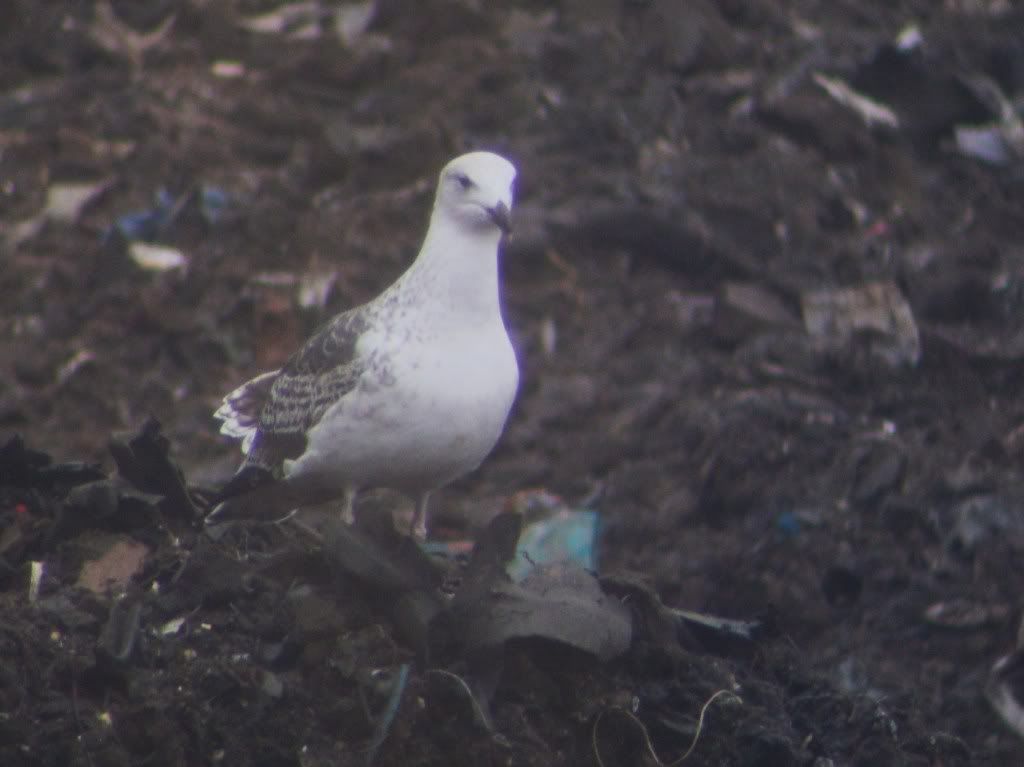
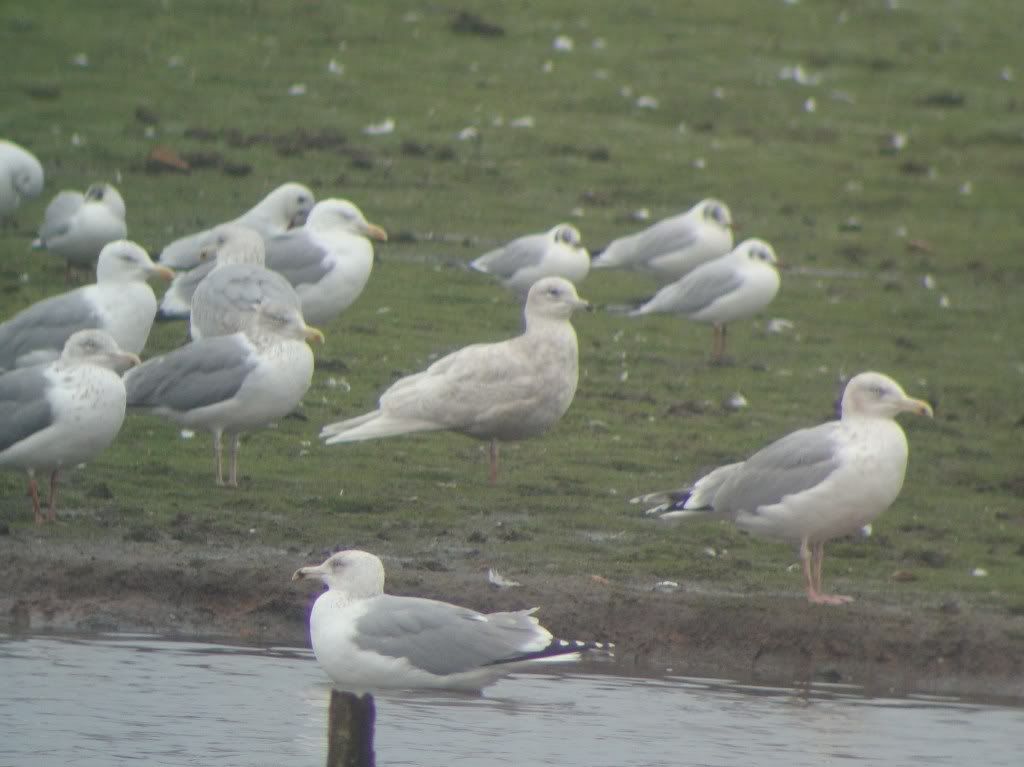
Some additional photos of the Caspian gull seen near Stubber's Green a few weeks ago, the red kites at Gigrin Farm, and Morton Bagot's great grey shrike. These were all taken by my Dad.

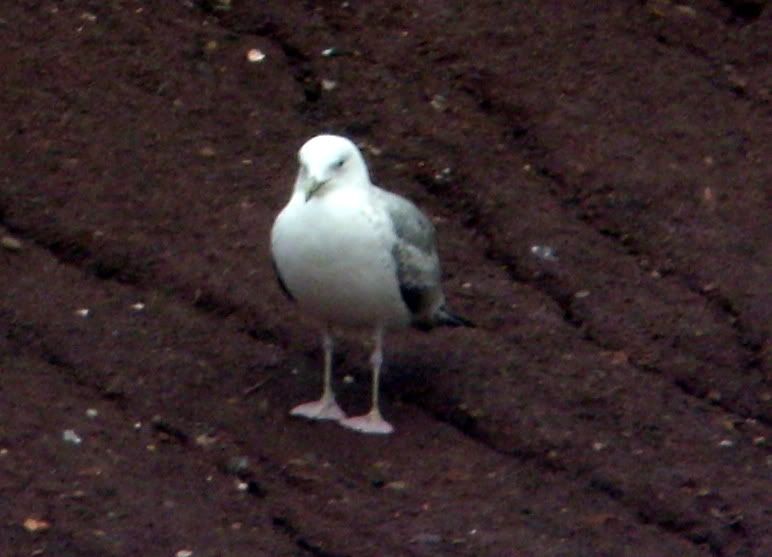
Caspian gull

Caspian Gull

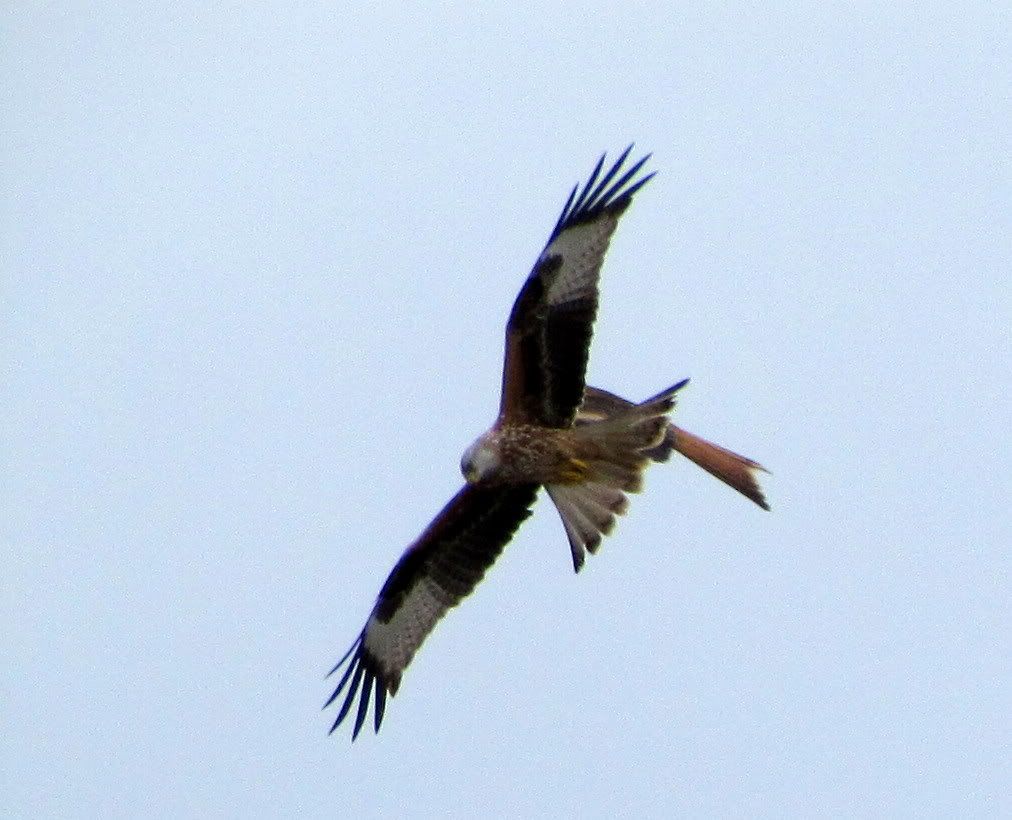
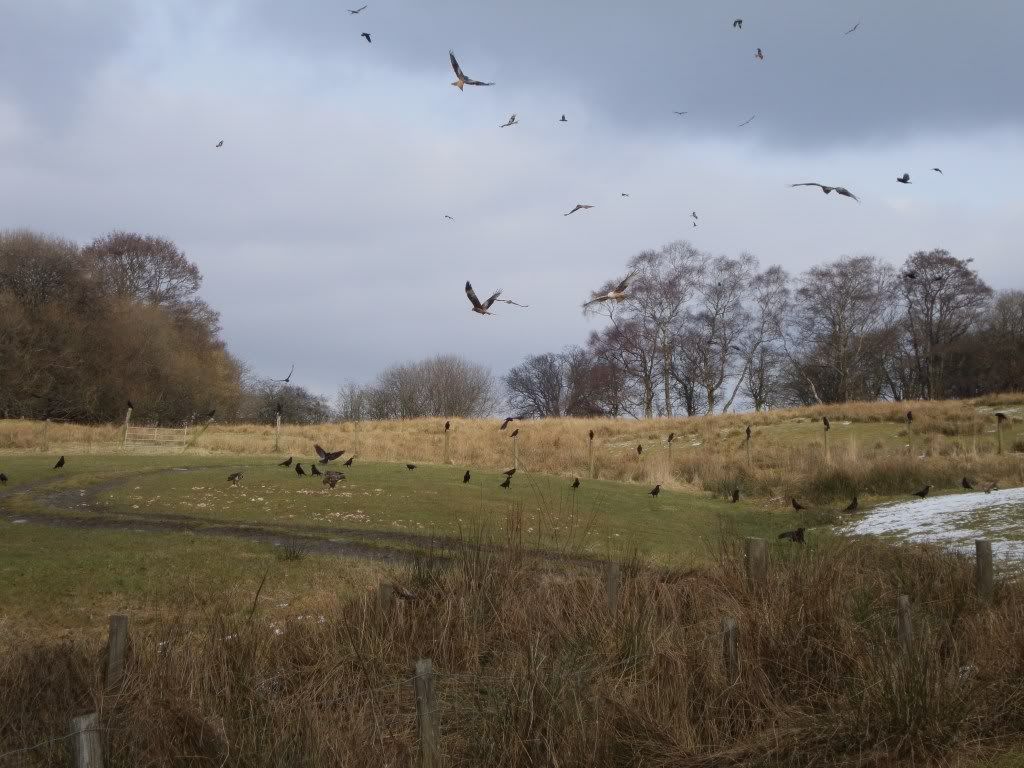
Red Kite at Gigrin Farm

Red kite at Gigrin Farm

White morph red kite

White morph red kite

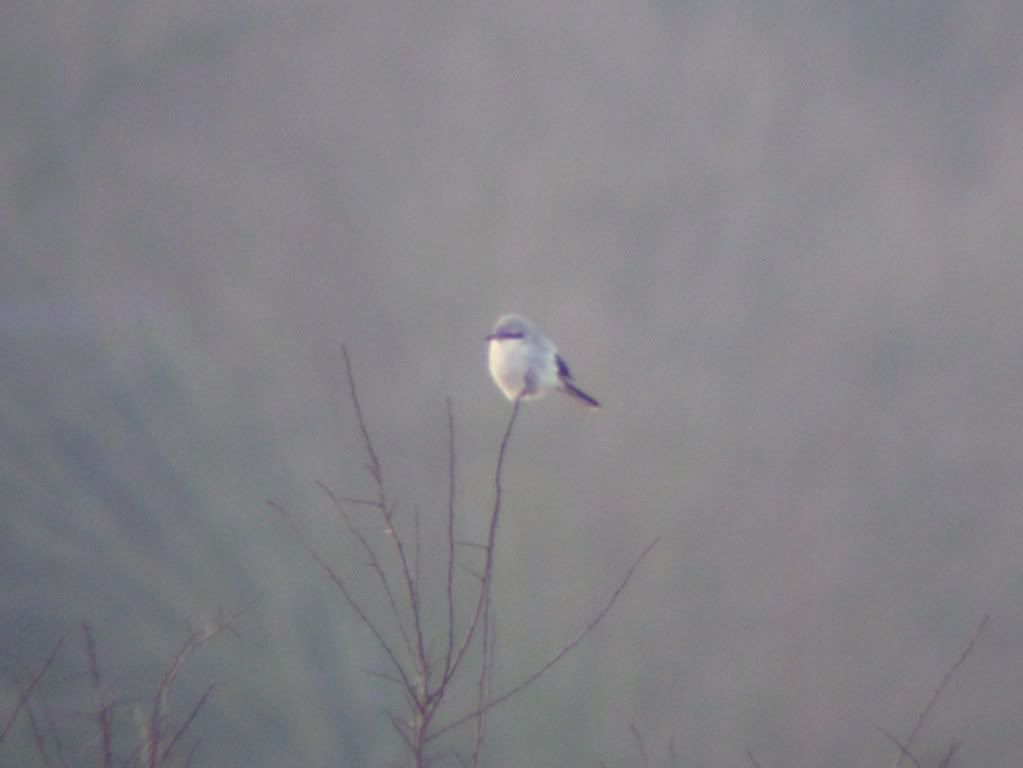
Great grey shrike at Morton Bagot

Great grey shrike at Morton Bagot

March has got off to a good start, with my first butterfly of the year seen in the Forest of Dean last Monday - a beautiful red admiral. More about that outing in the next post.

Friday, February 26, 2010

The Birding Month - February 2010

The first day of the month saw me return to the Wyre Forest for the first time this year. Another dusting of snow didn't appear to be an obstacle initially, but proved troublesome as the day wore on. More of that later.

Three goosanders on the River Severn opened the day's account quite nicely, and a very vocal marsh tit as soon as I stepped out of the car gave me hope that this was going to be a productive day. Having set eyes on the marsh tit, I continued along the old railway line before heading into Knowles Coppice in the hope of a lesser spotted woodpecker.

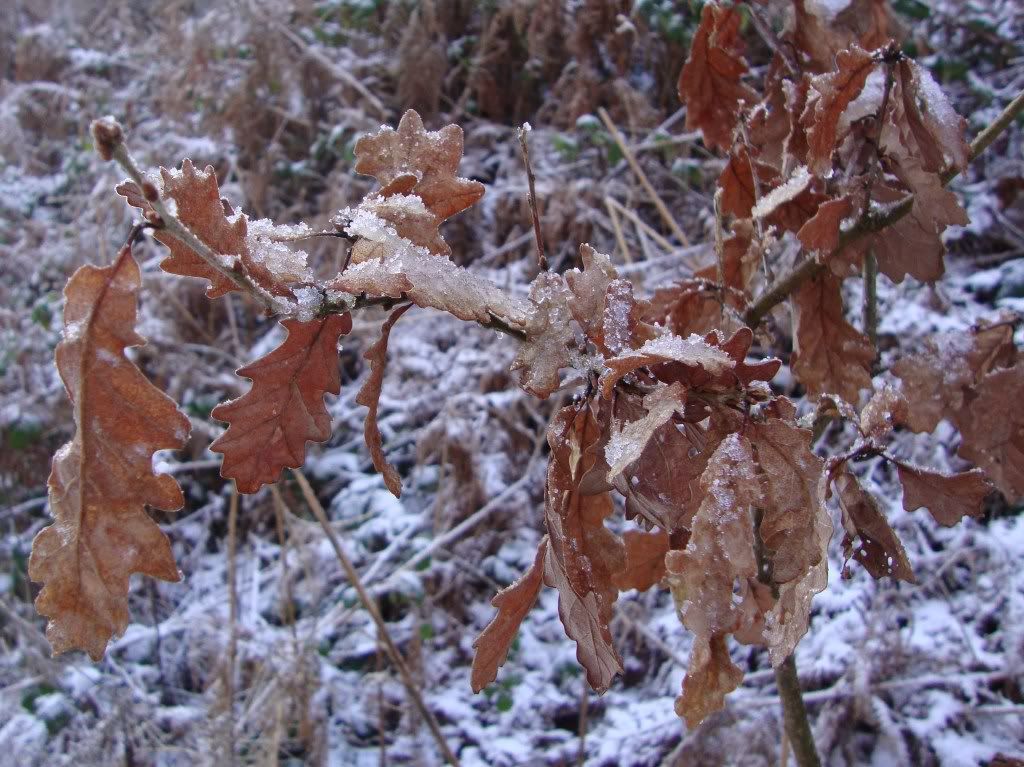
Sadly, the forest was very quiet. A few great spotted woodpeckers were seen, but not their more diminutive cousins. After a lengthy walk around the forest and along Dowles Brook I had little to show for my troubles, save for a second marsh tit near Lodge Hill Farm, a dipper, a single lesser redpoll and this attempt at an arty-farty picture of icy leaves.

Icy leaves

Leaves - rubbish

Heading out of the forest, I encountered a traffic jam on the A456 heading into Bewdley. Not being particularly keen on joining it, I headed instead in the direction of Cleobury Mortimer. This turned out to be a wise decision, as the traffic stretched back some four miles or so! I had to negotiate some rather nasty roads in tricky driving conditions in order to get back to Bewdley. A pair of ravens and Eddie Stobart truck Aimee Leigh seen along the way did little to console me.

My next destination was Trimpley Reservoir, where I spotted a large siskin flock, several goldcrests and heard another marsh tit. Six Mandarin ducks were noted on the River Severn behind the reservoir, but not much else.

I had planned to hit a few more sites in the afternoon, but a combination of some dreadful navigational skills worthy of Mark Thatcher and a lack of news flow on Birdguides rendered the remainder of the day a write-off. I had hoped to visit the Lickey Hills in search of the common crossbills that had turned up there at the weekend, but I just didn't have time.

All in all, a frustrating day.

Gulls Just Wanna Have Fun

There was a complete turnaround of birding fortune the following Saturday, however, when my Dad and I paid a visit to Stubber's Green. I have been keen to tick Caspian gull for some time now, and being aware that Iceland and glaucous gulls were in the area, it seemed a good time to have another bite at the cherry.

The first hour or two bore similarities to previous visits - in other words lots of fruitless searching through the assembled gull flock, punctuated by the occasional bit of excitement when a gull with a beady eye or pear-shaped head was spotted. Sadly, every time we thought we had a candidate for Caspian gull there was always some other evidence to rule it out - wrong shaped bill, short legs, streaky head and so on.

We were pleased when we were joined by Paul Jeynes a little before midday. We've met Paul here a few times previously and it's not too much of an exaggeration to say that he is he on first name terms with most of the gulls that frequent the area. He had a quick scan of the birds and declared that he couldn't see anything other than the usual suspects, so he suggested we pop down the road to have a look at the nearby landfill site.

With Paul's help we were soon ticking Iceland gull [lifer!] and yellow-legged gull, and after a while we had a Caspian gull [lifer!] and a glaucous gull too [another lifer!]. Now, I don't claim to be the world's biggest lister, but I have reached a stage where bagging three lifers in a day is something of a champagne moment. Sadly, we had no champagne to hand, so the ubiquitous Islay malt was produced instead.

Setting off for home, we stopped again at Stubber's Green so that I could relieve myself in the bushes. As luck would have it, the Iceland and glacuous gulls had also arrived, giving me a few photo opportunities. A tremendous bit of gulling in my opinion, though probably just a normal day in the life of gull-meister Mr Jeynes!

Thanks to Paul's master class, I think that I would now be able to recognise a second-winter year yellow-legged gull in the field [or at Stubber's Green!], even though Caspian will still probably remain something of an enigma to me!

Yellow-legged gull

Second-winter yellow-legged gull

Iceland gull

Iceland gull

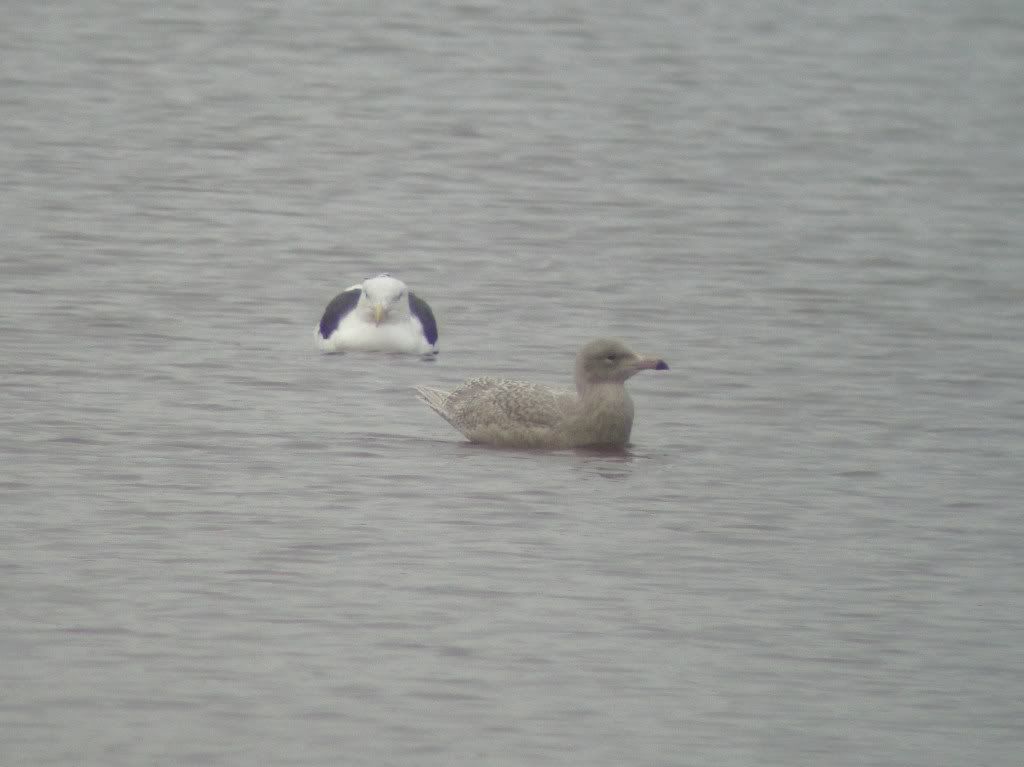
Glaucous gull

Glaucous gull

Monday 8 February saw siskins in the garden and a raven in the field opposite the house. The siskins continued to put in regular appearances throughout the month, though numbers never got above five.

On Sunday 14 February I paid a visit to Morton Bagot to see the great grey shrike that had turned up there on the preceding Thursday. I was able to locate the bird quite easily and had good views for ten minutes or so. Unfortunately, it took flight whilst I had my eye off it and I was unable to relocate it.

Whether I'm year-listing or not, I think a great grey shrike is a bird that I will always be happy to put the leg work in to see. A real stunner.

Great grey shrike at Morton Bagot

Great grey shrike at Morton Bagot

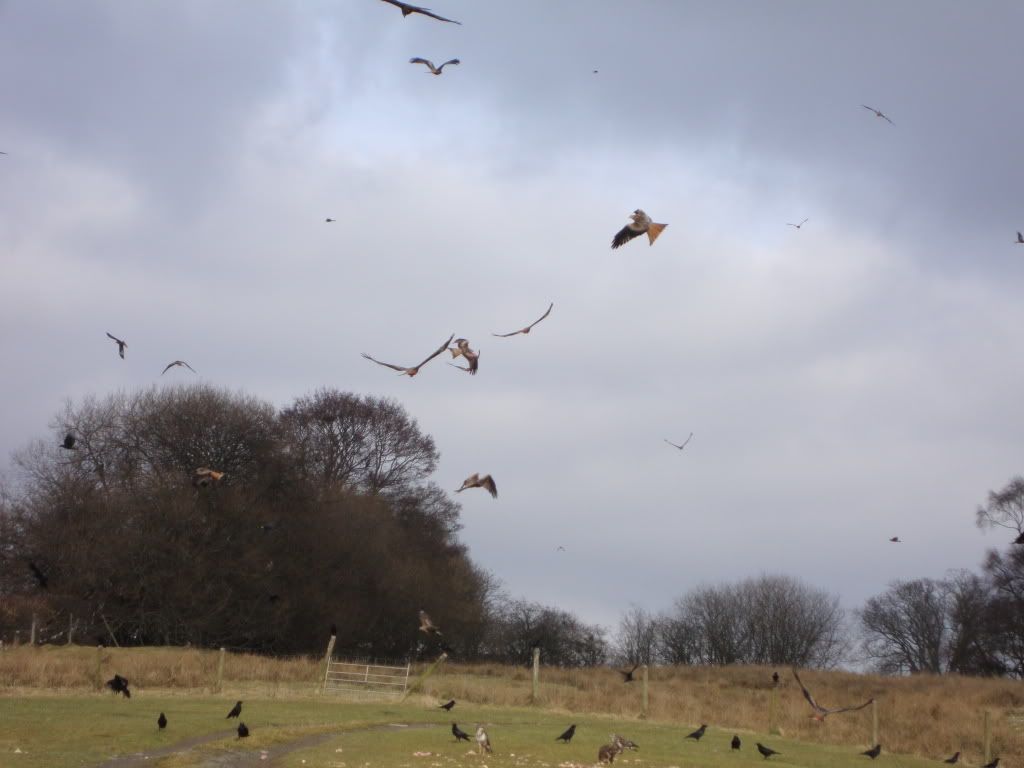
Time for a big, unashamed twitch on Monday 22 February - a visit to Gigrin Farm with my Mum and Dad, to see if we could connect with the juvenile black kite that has been around for a few weeks. The spectacle of so many red kites promised to me memorable in its own right, but even so, it would have been pretty galling to come away without seeing the black kite. Fingers were duly crossed.

Before we reached Rhayader, we had already seen a good number of kites patrolling the hills and mountains of mid Wales, plus a few common buzzards and a healthy sprinkling of ravens.

We killed half an hour or so at nearby Gilfach, but didn't really have time to do the place justice. Fantastic habitat though, worth a visit in its own right one day perhaps. Could be something of a butterfly haven too later in the year.

Come 2.00pm we were safely ensconced in the hide at Gigrin Farm. The meat was strewn across the grass and the kites descended upon it, along with a good number of corvids, some common buzzards and even a grey heron or two. Silly devils!

Red kites at Gigrin Farm

Red kites at Gigrin Farm

Red kites at Gigrin Farm

After ten minutes or so, the black kite showed up and, to my delight, proved easy to pick out from the crowd [lifer!]. It stayed in the vicinity for a while then disappeared, returning later on for a short encore.

It was certainly worth the effort to go and see the bird, and I can heartily recommend the Lamb & Flag Inn in Rhayader for a pint and a spot of lunch if anyone is thinking of going. Roast beef with all the trimmings for less than a fiver, and a black kite for dessert. Not a bad day, all in all!
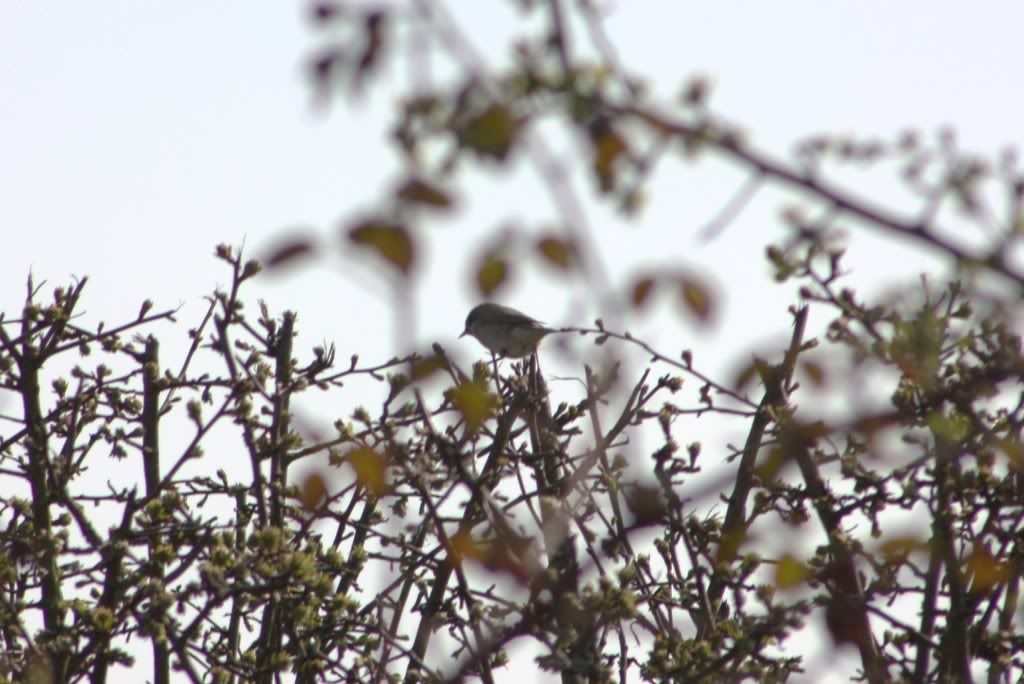
Looking ahead, let's hope March brings with it some better weather. I'm excited about the imminent arrival of birds such as chiffchaff and wheatear. There is a little spot close to home where I think the latter might be worth hunting for. It would be great to see one on the patch.

I'm also hoping to see a few butterflies on the wing. I've been doing plenty of research in this area and I have high hopes of seeing several new species in 2010. I've even set up a spreadsheet to help me keep tabs on what to see and where to see it.

Spreadsheets and butterflies. Utopia!